Diwali story for kids in Hindi — why we light diyas, and what your child learns from it
दिवाली की कहानी — बच्चों के लिए, नानी की आवाज़ में
Strong values shape strong children. Diwali is the easiest week of the year to begin: there are diyas on the doorstep, sweets in the kitchen and a child asking why — and the answer is a story about hope, duty and a whole city lighting lamps together so one family could find its way home.
- Free stories every night
- No ads
- Your child’s voice erased after 24 hours
- Made in India
The Diwali story and the stories around it
Told by Naani in Hindi with pictures, for ages 4–7. The play button on a card is 30 seconds of her real voice; the page has the full retelling, the value, and the questions to ask.
 Faith
Diwali: Jab Ayodhya Jagmagayi
रामा ने दुखी होने के बजाय मुस्कुरा कर अपने पिता की बात मान ली।
Instead of being sad, Ram smiled and accepted his father's word.
 Humility
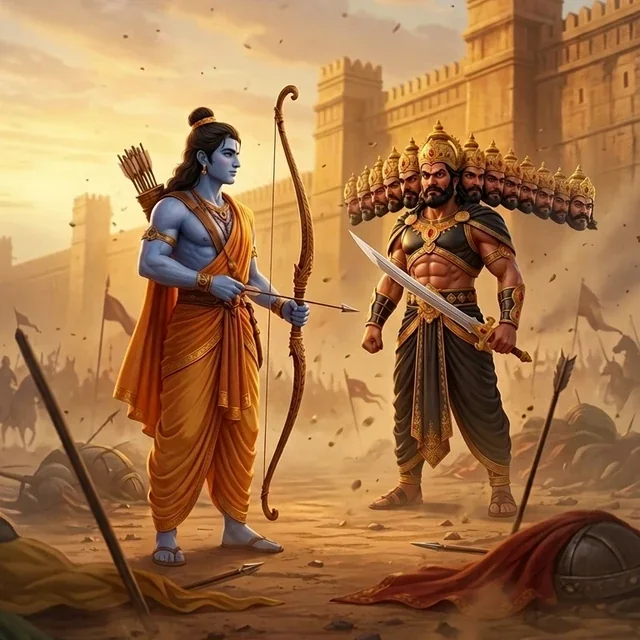
Dussehra: Rama Aur Ravana Ka Antim Yudh
वे थोड़े उदास थे, पर उन्होंने हार नहीं मानी।
They were a little sad, but they did not give up.
 Wisdom
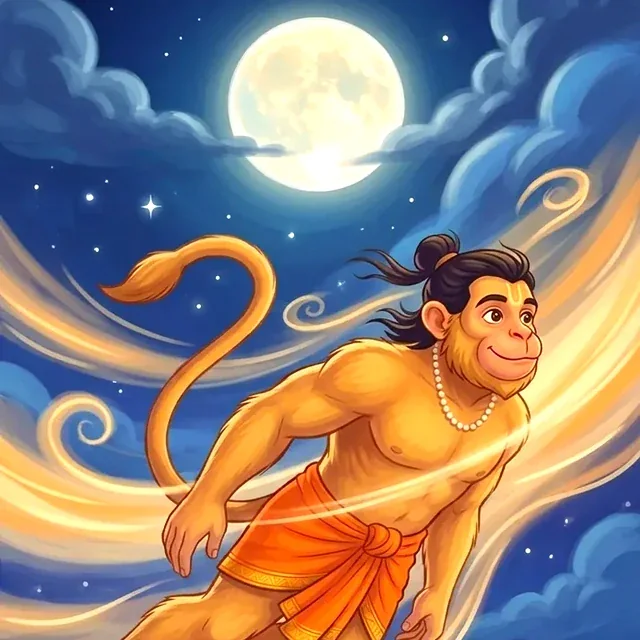
Hanuman aur Sanjeevani Booti
और दिल के इतने सच्चे कि जो उनका दोस्त बन जाए, उसके लिए कुछ भी कर दें।
And a heart so true that he would do anything for anyone who became his friend.
Naani saysरामा ने दुखी होने के बजाय मुस्कुरा कर अपने पिता की बात मान ली।Instead of being sad, Ram smiled and accepted his father's word.
From Diwali: Jab Ayodhya Jagmagayi →
This page is for parents who want to tell that story properly, in Hindi, to a child between four and seven. It gives you the story itself (told by Naani, with pictures and her real voice), the values to draw out of it, the questions that get a conversation going, and a simple way to turn the first diya into a small ritual your child will remember.
The Diwali story, in a parent's two minutes
Ayodhya is about to crown its beloved prince, Ram, when Queen Kaikeyi asks the king for two old promises: Ram must live in the forest for fourteen years. Ram accepts with a smile, and Sita and his brother Lakshman go with him. In the forest, Ravan, the king of Lanka, carries Sita away. Ram searches with Lakshman, meets Hanuman and his vanar sena, builds a bridge of stones across the sea and defeats Ravan — the part of the story that Dussehra celebrates.
Then the homecoming. Fourteen years are over, but the night Ram's chariot approaches Ayodhya is amavasya: no moon, complete darkness. The people fill thousands of little clay lamps with oil and set them along every doorstep and roof until the city glows like a field of stars, and Ram finds his way. That is why we light diyas: to welcome him home, and to remember that light always finds a way through the dark.
What a 4–7-year-old takes from it
Three things, if you let the story do the work. Hope: the darkness is real, the people are frightened, and the answer is a lamp each, together. Respect for elders: Ram hears a hard decision from his father and accepts it with grace, which is a far better model than any reminder to listen. And togetherness: nobody in Ayodhya lights the city alone.
- Hope — "chaahe raat kitni bhi kaali ho, ek chhota diya raasta dikha deta hai."
- Respect for elders — Ram smiles and does as his father asks, and the story treats that as strength.
- Togetherness — one family's homecoming becomes everybody's work.
- Good wins — not by being louder, but by being patient and true.
How to tell it so it lands
Tell it in Hindi, even if your child answers in English — the words diya, amavasya, swagat and roshni carry the festival with them. Keep the battle short; a four-year-old does not need Ravan's ten heads described, just the fact that he lost because he would not do the right thing. Spend your time on the lamps: the fear in the dark, the first flicker, the thousands.
Then make it physical. Light one diya together after the story, or the next evening, and ask your child who they are lighting it for. Naani ends her telling by asking the child to imagine a tiny lamp glowing next to them and to feel its warmth; a real one on the windowsill finishes the thought. If your child likes to join in, let them be the people of Ayodhya and "place" lamps around the room before Ram arrives.
Questions to ask after the story
- Why could the people of Ayodhya not see Ram coming? What did they do about it?
- If you were in the chariot with Sita and looked down, what would all those lamps look like?
- Which diya at home will you light, and who is it for?
- Ram did something he did not want to do because his father asked. When did you last do that?
Diwali 2026 — the dates, and what to tell when
Dussehra falls on Tuesday, 20 October 2026 and Diwali (Lakshmi Puja) on Sunday, 8 November 2026. The two festivals are one story: Dussehra is Ram's victory over Ravan, Diwali is his return home. Tell the Dussehra story first, in the week of the effigy burning, and the Diwali story in the week the diyas come out. Hanuman's own adventure — bringing the Sanjeevani — sits between them, for a child who wants more of the brave monkey friend.
From the app-store reviews
A few of the public reviews parents have left on Google Play and the App Store, quoted exactly as they wrote them.
“Great stories and really interactive. My kid love it”
“an intellectual way to describe the old stories for kids .”
Nice“Really cute idea for bedtime! I love how Naani actually listens when kids interrupt and responds as part of the story. The mix of Hindi and English feels really natural, and the gentle lessons are a nice touch. Such a lovely way to wind down before sleep!”
“Maine to download kar liya hai aap sabhi log download karo aur yah story Apne bacchon Ko badon ko sunao bahut achcha lagega…”Let Naani tell the Diwali story tonight
In warm Hindi, with pictures, with a question for your child halfway — and a diya to imagine at the end. Free stories every night; Naani Monthly unlocks everything.
Listen tonight — free- Free stories every night
- No ads
- Your child’s voice erased after 24 hours
- Made in India
Parents also ask
What is the Diwali story for kids in short?
Prince Ram is sent to the forest for fourteen years, rescues Sita from Ravan with Hanuman's help, and comes home on a moonless night. The people of Ayodhya light rows of clay diyas so he can find his way — which is why we light lamps on Diwali.
What age is the Diwali story suitable for?
Told gently, from about four. Keep the battle to a sentence or two and spend the time on the lamps and the homecoming. Naani's version runs about seven minutes, has no frightening descriptions, and ends with the whole city asleep.
What is the moral of the Diwali story?
That light wins over darkness and good over evil — and, for a small child, that however dark a night gets, people who care about each other can light the way together. A second lesson sits inside it: Ram accepts his father's word with a smile.
Related guides
 Ramayana storiesNaani Ki Ramayan: the whole Ramayana as a bedtime series for 3–7-year-olds, one gentle episode a night, ending on Diwali.Navratri storiesA Navratri day-wise story for every night: the nine Devis, the value each one teaches, and how to tell them to a 3–7-year-old.Dussehra storyRam and Ravan for a 4–7-year-old: humility, courage, friends — and why the effigy burns.Festival storiesDiwali to Pongal: the story to tell the week before, and the value inside it.
 Hindi bedtime storiesWhy Hindi at bedtime, how to make it a habit, and which story to start with.
 Stories by valueEvery Naani story grouped by the value it teaches — honesty, sharing, courage, kindness and more.