Festival stories for kids in Hindi — the story and the value behind every celebration
त्योहारों की कहानियाँ — हर त्योहार के पीछे की कहानी
Strong values shape strong children — and India hands you a new one every few weeks, wrapped in sweets and a day off. Diwali is hope and togetherness. Dussehra is humility. Holi is courage and faith. Ganesh Chaturthi is self-worth. Gurpurab is kindness over profit. Eid is sharing. Pongal is gratitude to the earth. Every festival has a story, and the story is where the value lives.
- Free stories every night
- No ads
- Your child’s voice erased after 24 hours
- Made in India
Festival stories, told by Naani
Each card plays 30 seconds of Naani's real voice. Tap through for the retelling, the value your child takes from it, and the questions to ask the week before the festival. New pages are added every day.
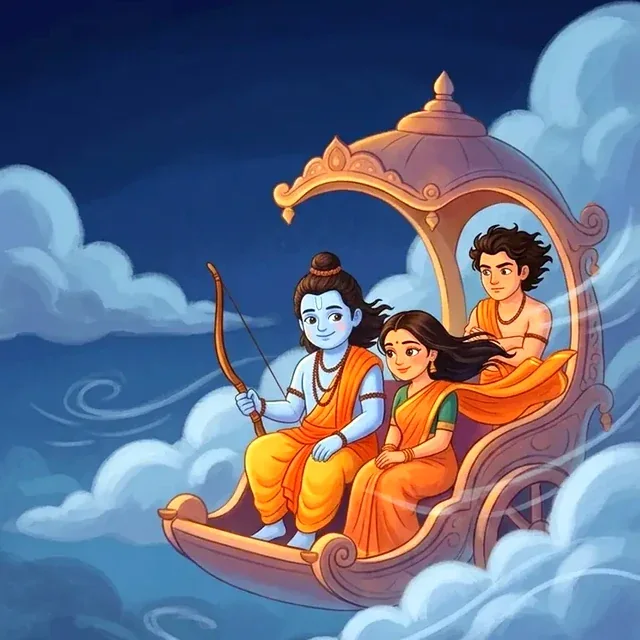 Faith
Diwali: Jab Ayodhya Jagmagayi
रामा ने दुखी होने के बजाय मुस्कुरा कर अपने पिता की बात मान ली।
Instead of being sad, Ram smiled and accepted his father's word.
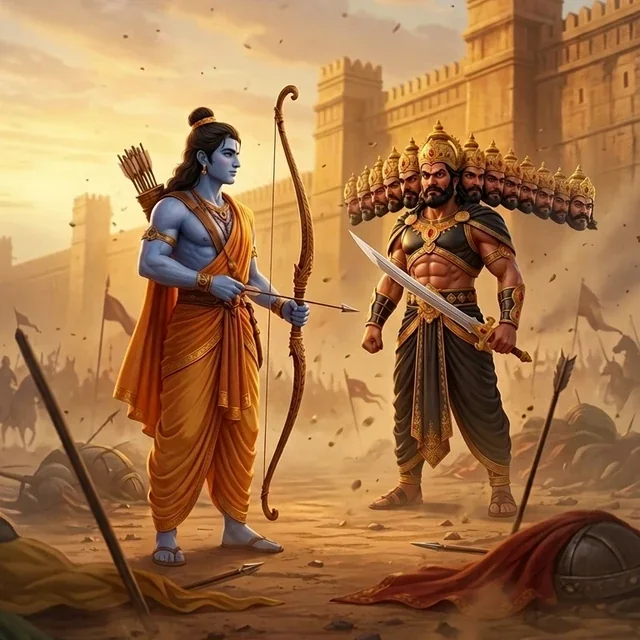 Humility
Dussehra: Rama Aur Ravana Ka Antim Yudh
वे थोड़े उदास थे, पर उन्होंने हार नहीं मानी।
They were a little sad, but they did not give up.
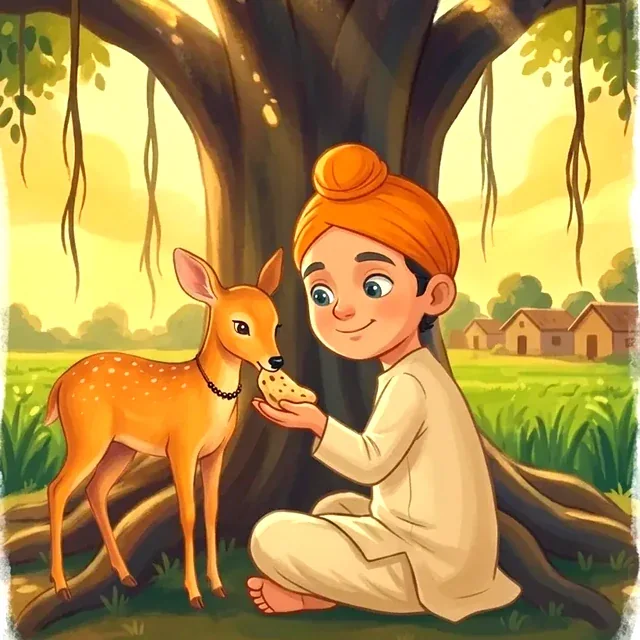 Kindness
Gurpurab: Guru Nanak Ka Sachcha Sauda
उनका दिल तो इतना बड़ा था कि उसमें सबके लिए जगह थी।
His heart was so big that there was room in it for everyone.
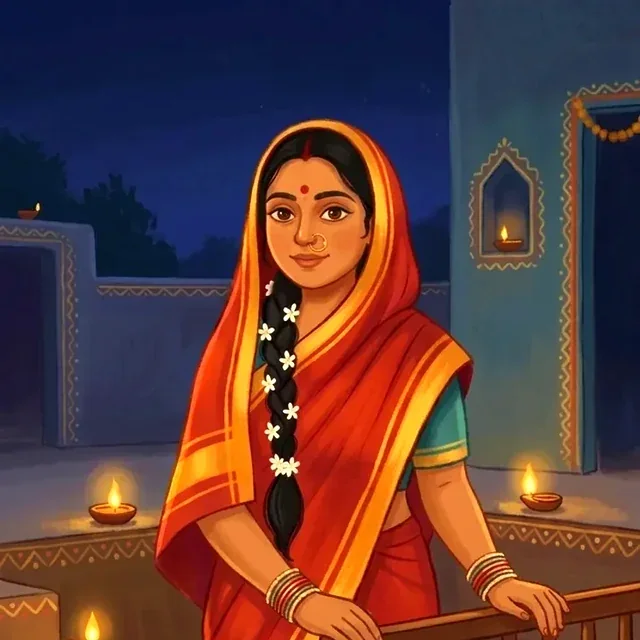 Faith
Janmashtami: Aadhi Raat Krishna Ka Janm
कंस बहुत ताकतवर था, पर उसके दिल में डर था।
Kansa was very powerful, but there was fear in his heart.
 Anger
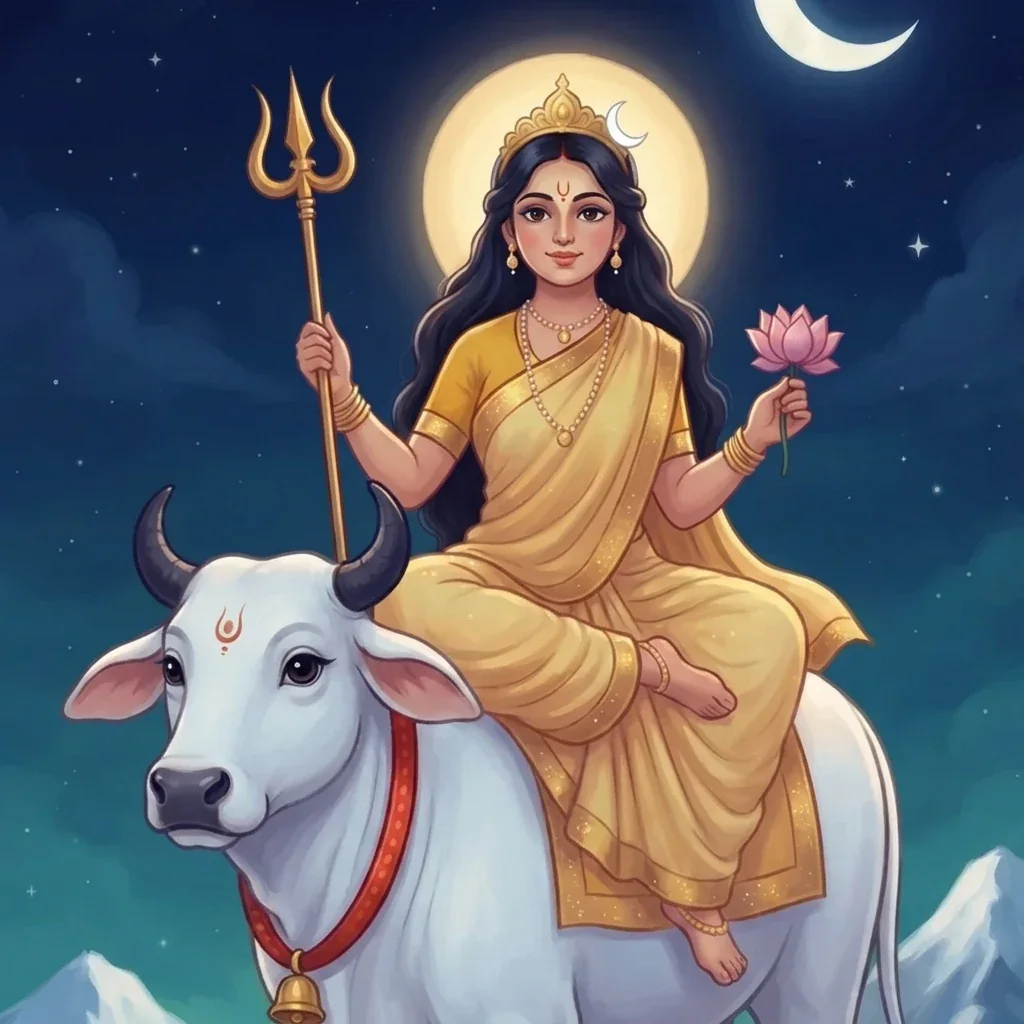
Navratri Night 1 — Maa Shailputri
“शैल” यानी पहाड़… और “पुत्री” यानी बेटी। यानी — पहाड़ की बेटी, शैलपुत्री!
'Shail' means mountain and 'putri' means daughter — the daughter of the mountain, Shailputri!
 Resilience
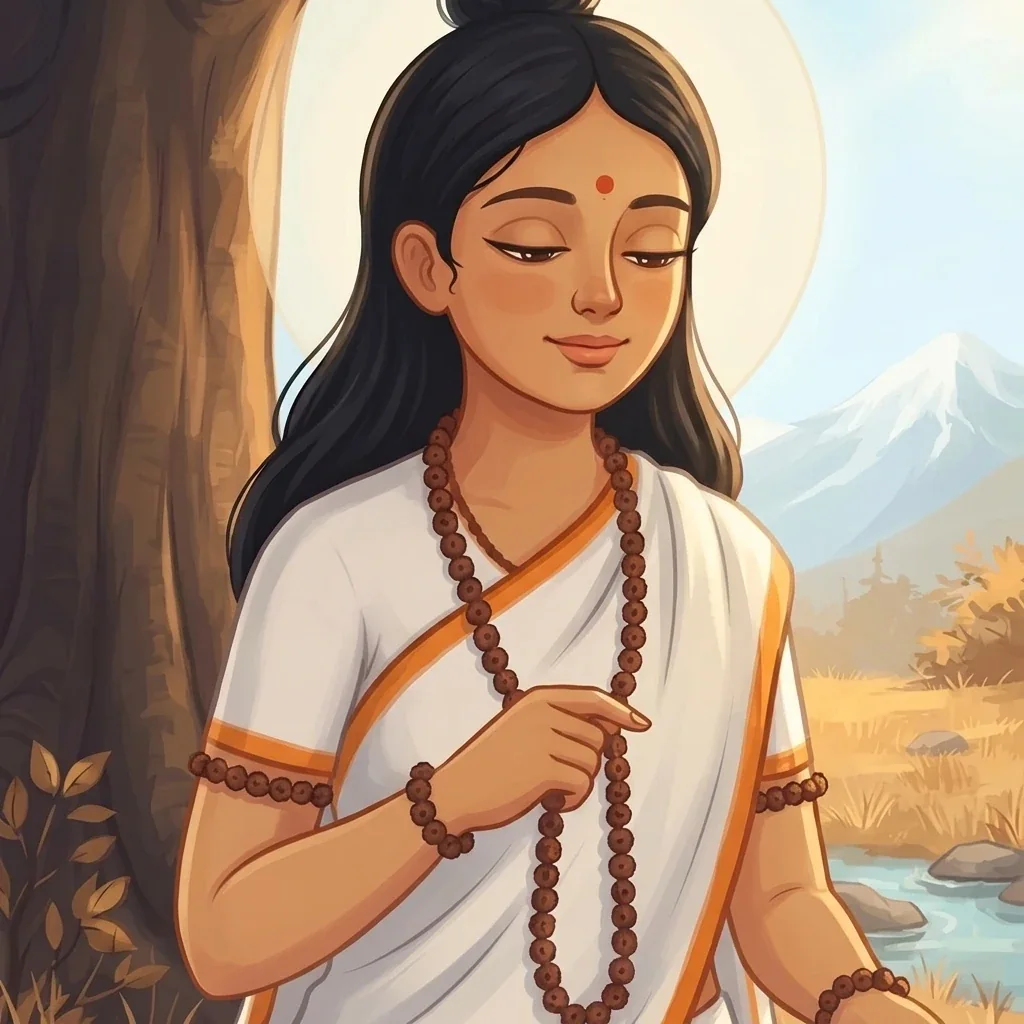
Navratri Night 2 — Maa Brahmacharini
“आप शिव जी को सिर्फ बाहर से देख रहे हैं। मैं जानती हूँ, वो कैसे हैं।
"You see Shiv ji only from the outside. I know what he is truly like."
 Courage
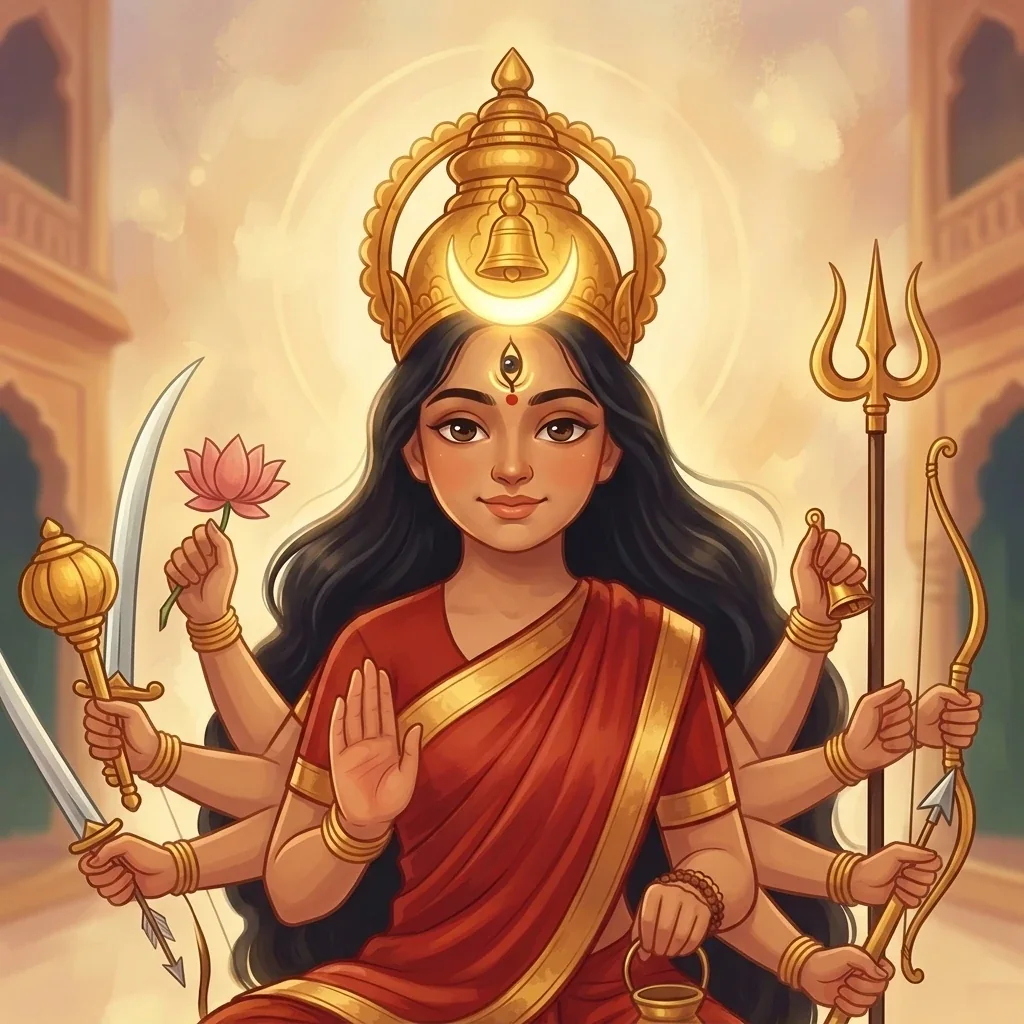
Navratri Night 3 — Maa Chandraghanta
रानी मेना खुश होकर बोलीं— “यही हैं दूल्हा?” नारद मुनि मुस्कुराए— “नहीं!”
Rani Mena asked happily, "Is this the groom?" Narada Muni smiled: "No!"
 Kindness
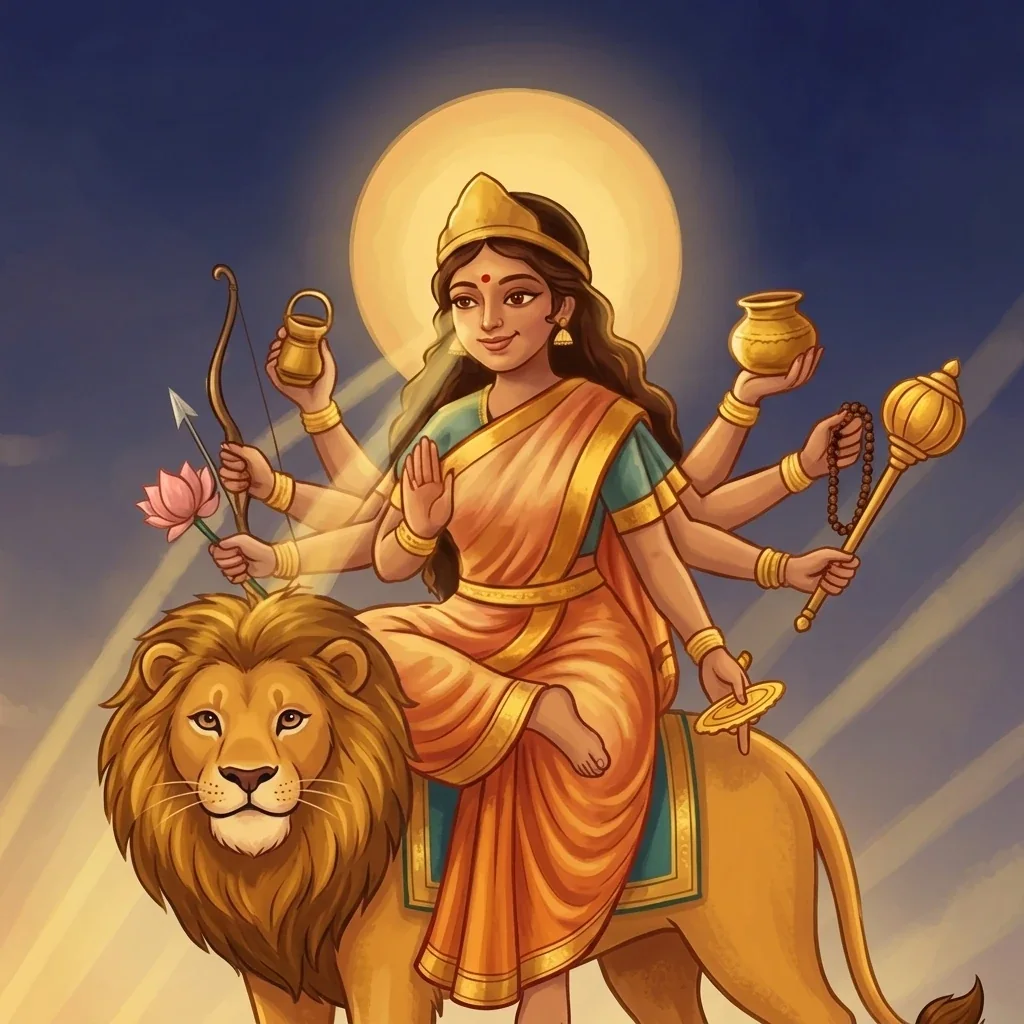
Navratri Night 4 — Maa Kushmanda
देवी ने न कोई हथियार उठाया… न ज़ोर लगाया… बस… हल्के से मुस्कुरा दिया।
The Devi lifted no weapon… used no force… she simply smiled, gently.
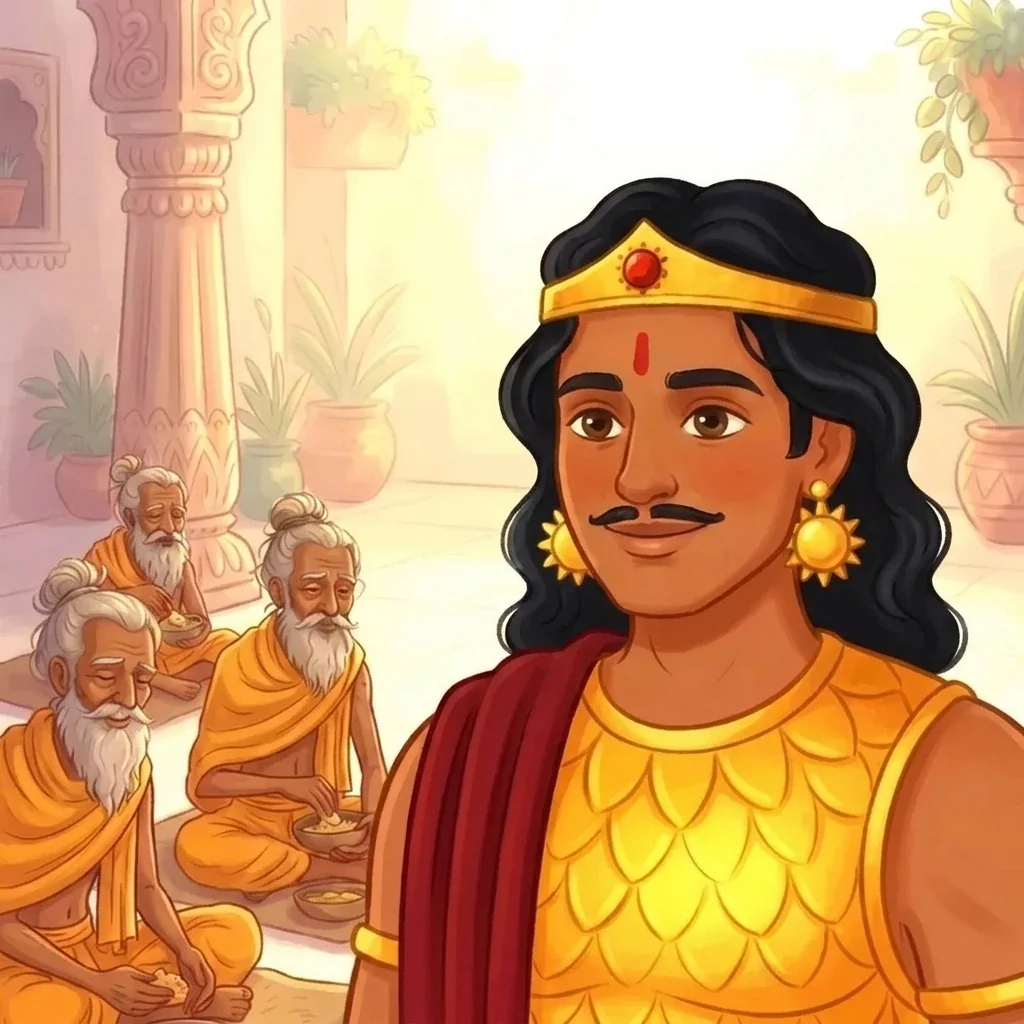 Gratitude
Shraddh — Karna and the Golden Plate
कर्ण बोले— “मुझे सोना नहीं चाहिए… मुझे खाना चाहिए!”
Karna said, "I don't want gold… I want food!"
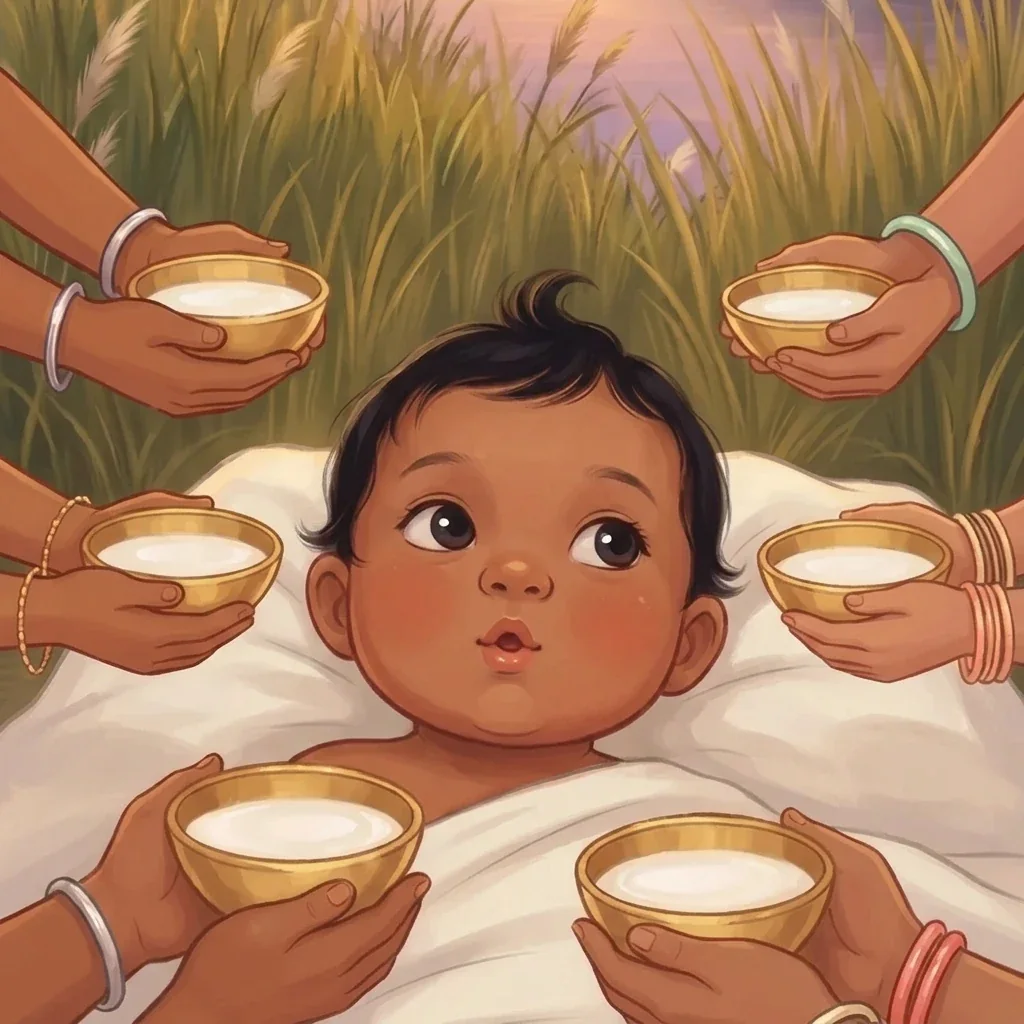 Sharing
Navratri Night 5 — Maa Skandamata
और वहीं… वो चिंगारी बन गई— एक नन्हा-सा, चमकता हुआ बच्चा!
And right there… the spark became a tiny, glowing baby!
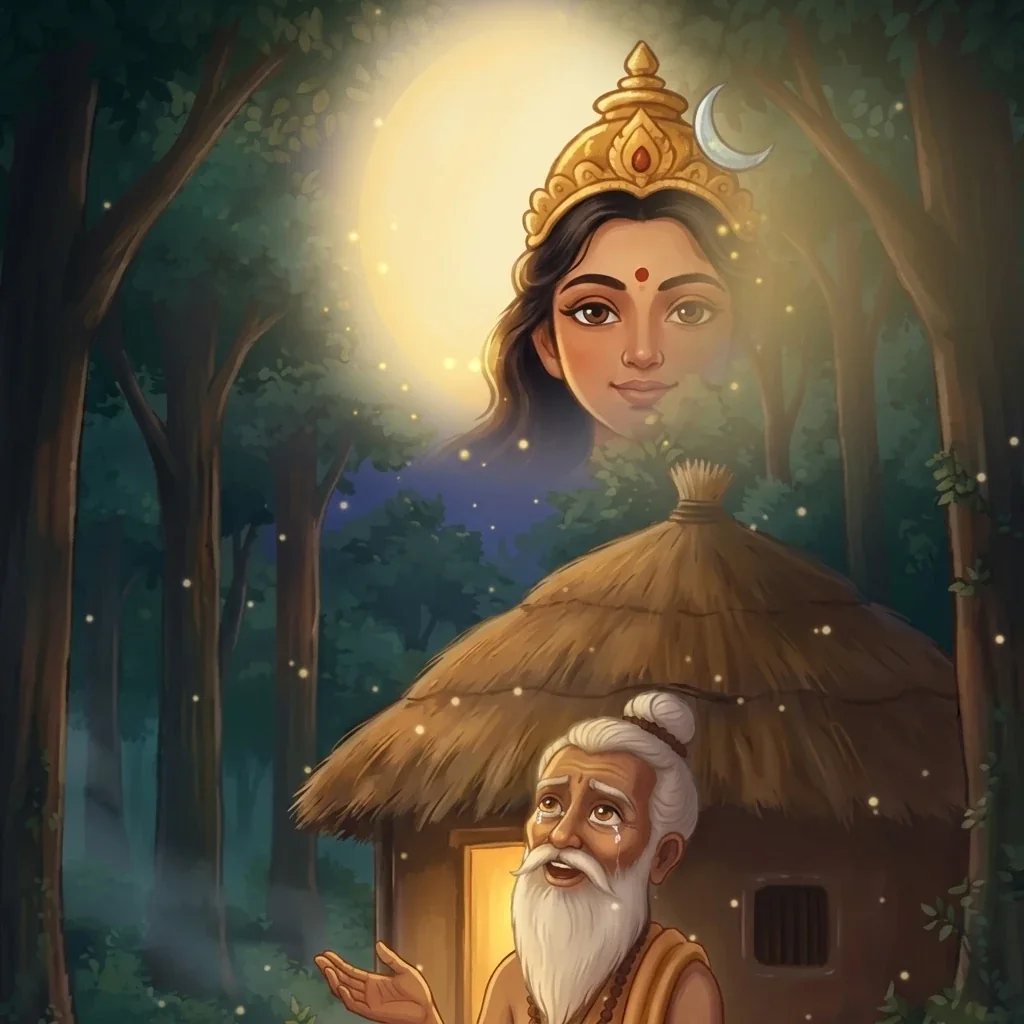 Faith
Navratri Night 6 — Maa Katyayani
पर उनकी एक इच्छा अब तक अधूरी थी— “माँ… मेरे घर मेरी बेटी बनकर आओ।”
But one wish was still unanswered: "Maa… come to my home as my daughter."
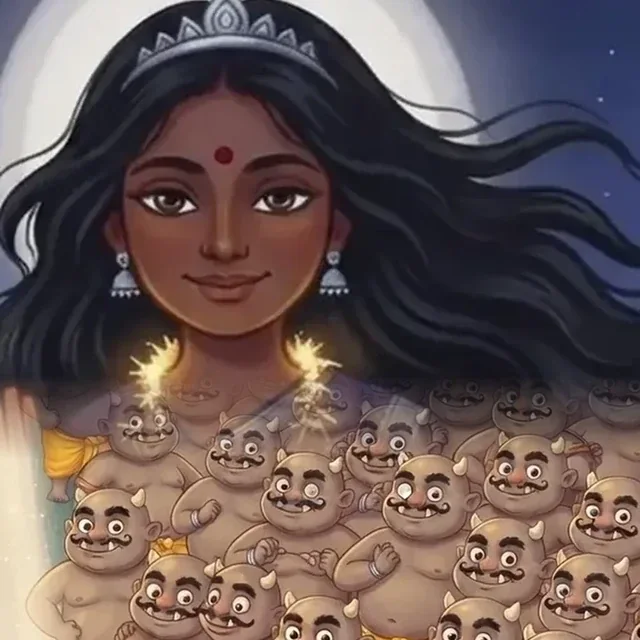 Wisdom
Navratri Night 7 — Maa Kalaratri
और… धप्प! वहाँ खड़ा था एक और रक्तबीज! बिल्कुल उसी जैसा!
And… dhapp! There stood another Raktabeej! Exactly like him!
 Self-belief
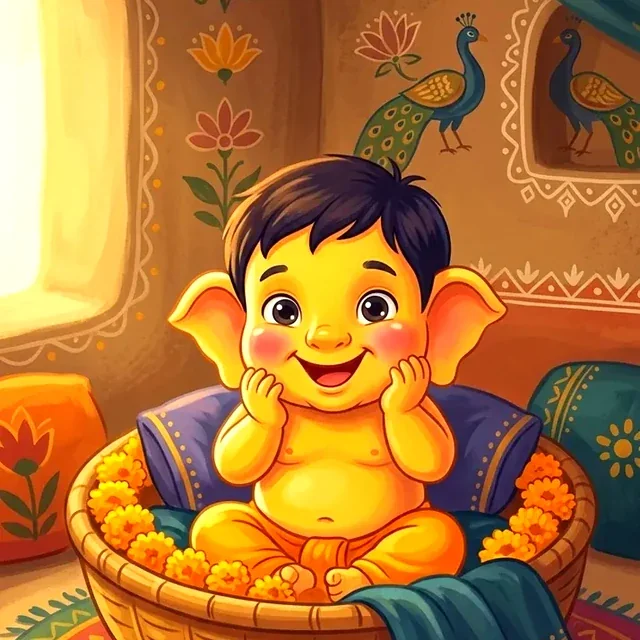
Ganesh Chaturthi: Ganesha ka Naya Roop
बहुत दूर, बादलों से भी ऊपर, एक ऊँचा बर्फ़ वाला पहाड़ है — कैलाश।
Far, far away, above even the clouds, there is a high snowy mountain — Kailash.
 Self-belief
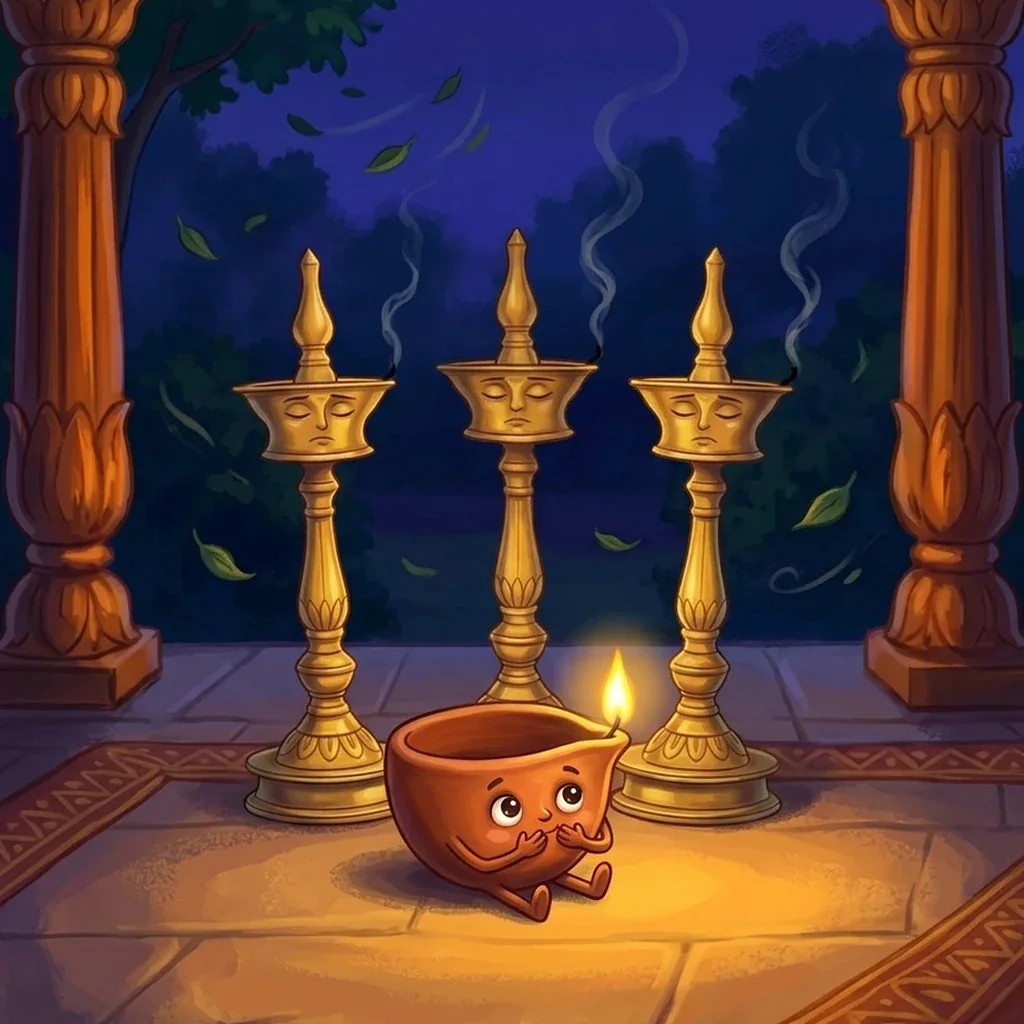
Diwali Ka Chhota Diya
क्या उसकी नन्हीं सी रोशनी किसी को दिखाई भी देगी?
Would anyone even see his tiny little light?
 Resilience
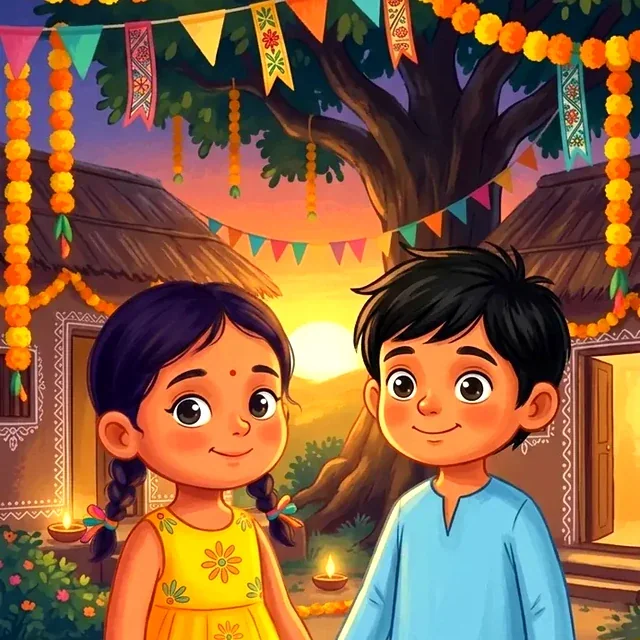
Easter: Khali Kabr Ka Savera
एक बहुत प्यारे गुरु थे, जिनका नाम था ईसा।
There was a very dear teacher, and his name was Isa.
 Sharing
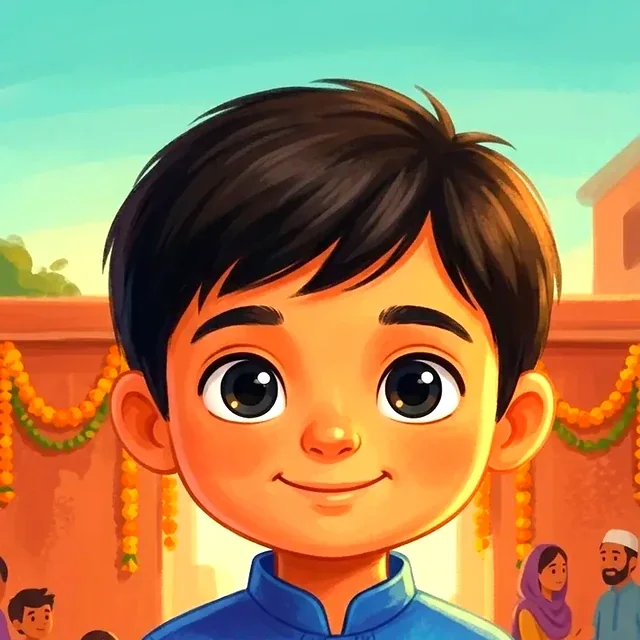
Eid ki Pyari Eidi
आमिर ने मन ही मन सोचा, कल ईदी मिलेगी… तो मैं यही घोड़ा लूँगा।
Amir thought to himself: tomorrow I get Eidi… and then I will buy this very horse.
 Courage
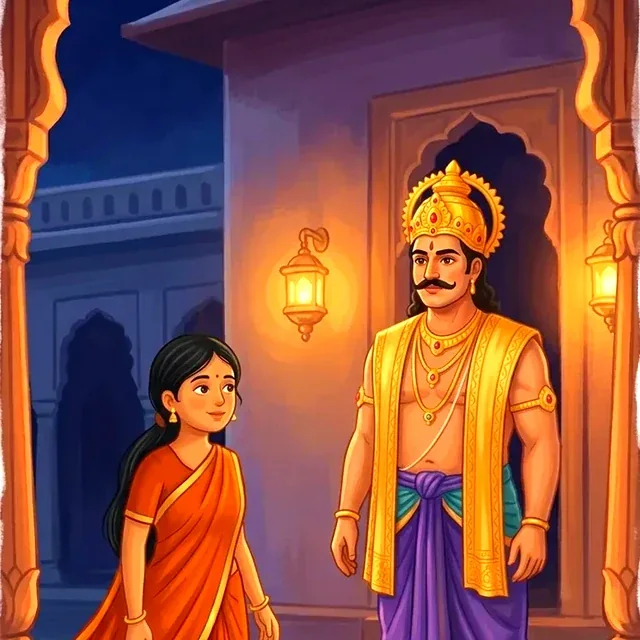
Holi: Prahlad, Holika Aur Rangon Ki Shuruat
राजा की आवाज़ भारी पत्थरों के टकराने जैसी थी, पर प्रह्लाद की आवाज़ बहुत कोमल थी।
The king's voice was like heavy stones clashing, but Prahlad's voice was very gentle.
 Kindness
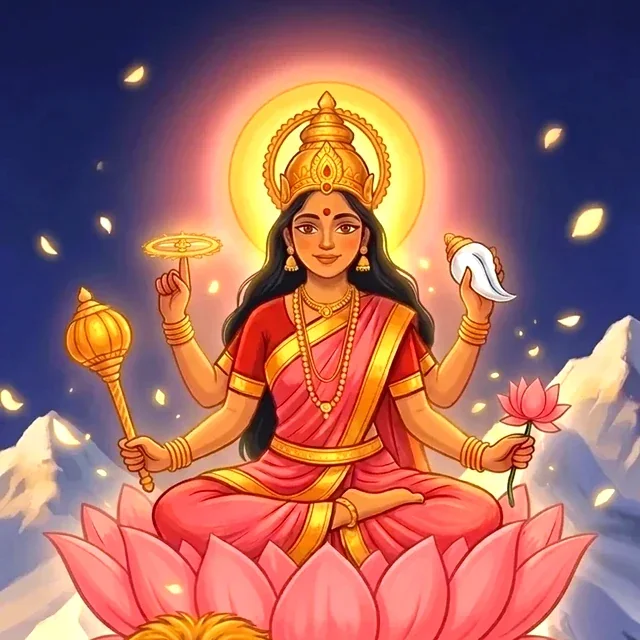
Navratri Night 8 — Maa Mahagauri
दुबला हो गया… कमज़ोर हो गया… पर गया नहीं।
He grew thin… he grew weak… but he did not leave.
 Teamwork
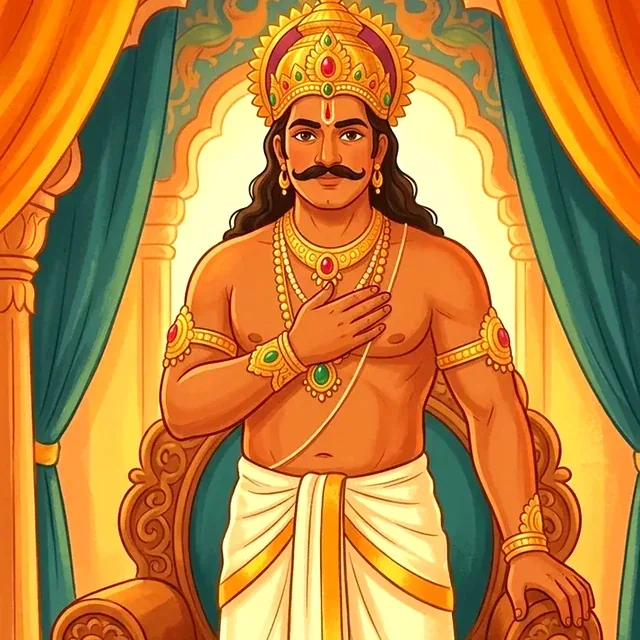
Navratri Night 9 — Maa Siddhidatri
सोचो ज़रा! चींटी से भी छोटा हो जाना! पहाड़ जितना बड़ा हो जाना!
Just think! Becoming smaller than an ant! Becoming as big as a mountain!
 Humility
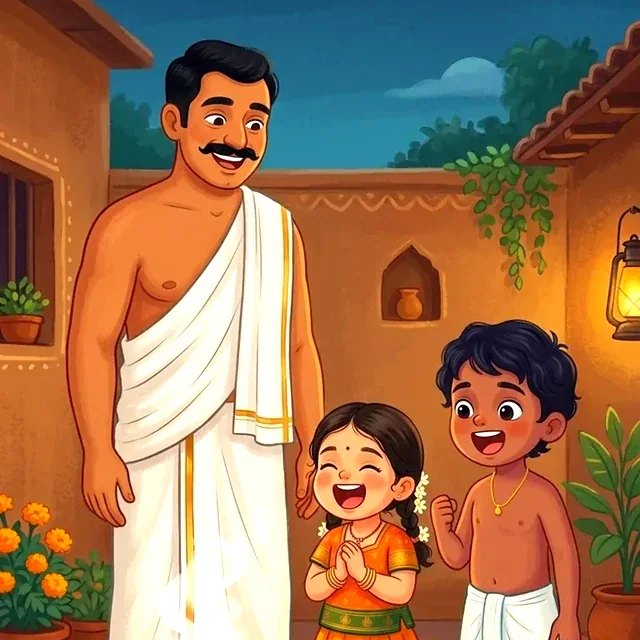
Onam: Raja Mahabali ki Vaapsi
उनके राज में कोई भूखा नहीं सोता था, कोई झूठ नहीं बोलता था,
In his kingdom nobody slept hungry, and nobody told a lie.
 Gratitude
Pongal aur Dharti Maa
और जब दूध उफनकर बाहर आता है ना, तब सब मिलकर बोलते हैं — पोंगलो पोंगल।
And when the milk froths up and spills over, everyone says together — Pongalo Pongal.
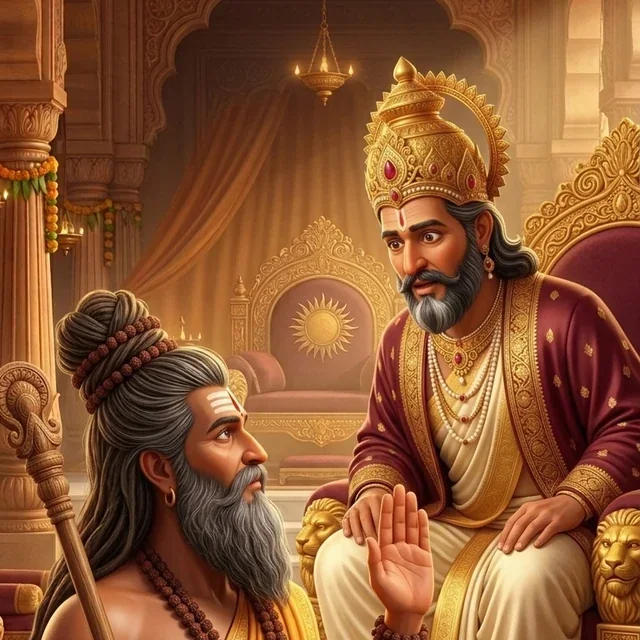 Courage
Naani Ki Ramayan 1: Chaar Rajkumar Aur Ek Anokhi Maang
“महाराज! मुझे आपकी सेना नहीं चाहिए। मुझे राम चाहिए!”
"Maharaj! I don't want your army. I want Ram!"
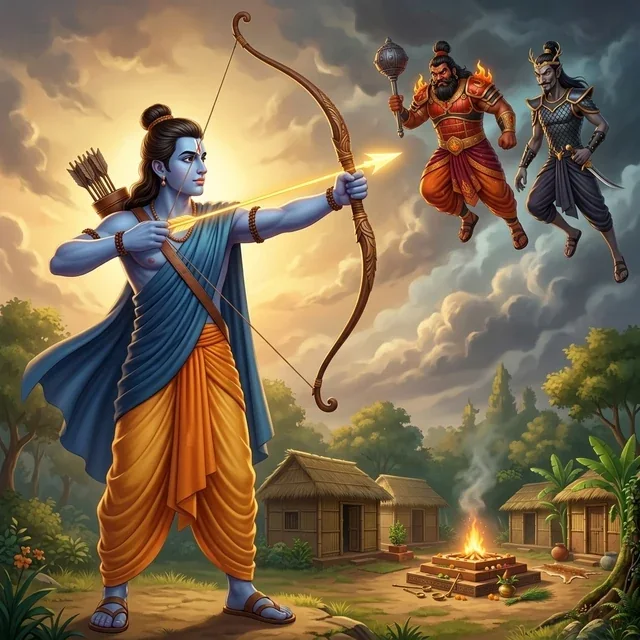 Friendship
Naani Ki Ramayan 2: Tataka ka Jungle aur Shivji ka Dhanush
राम ने धनुष सँभाला। लक्ष्मण उनके पास आ खड़े हुए।
Ram steadied his bow. Lakshman came and stood beside him.
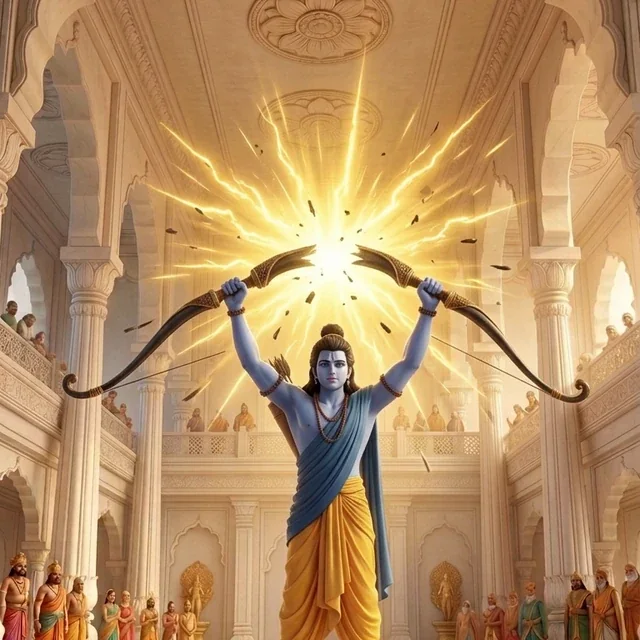 Self-belief
Naani Ki Ramayan 3: Shivji ka Dhanush aur Sita ki Varmala
राम ने पहले गुरु को प्रणाम किया।
First, Ram bowed to his guru.
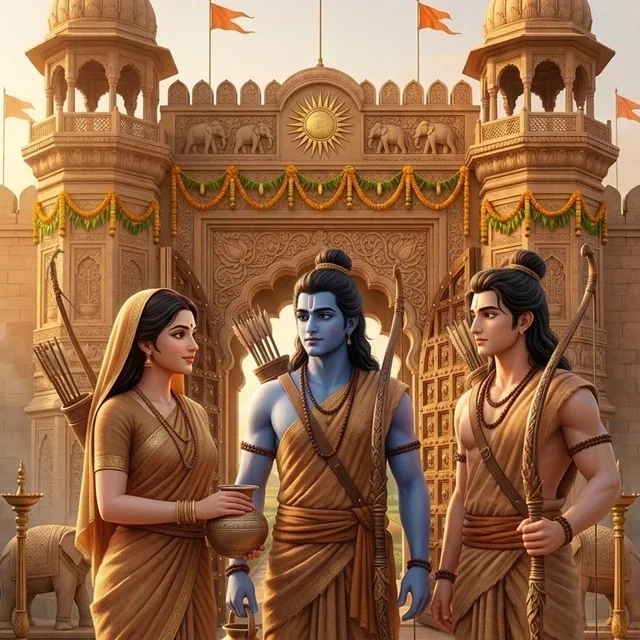 Kindness
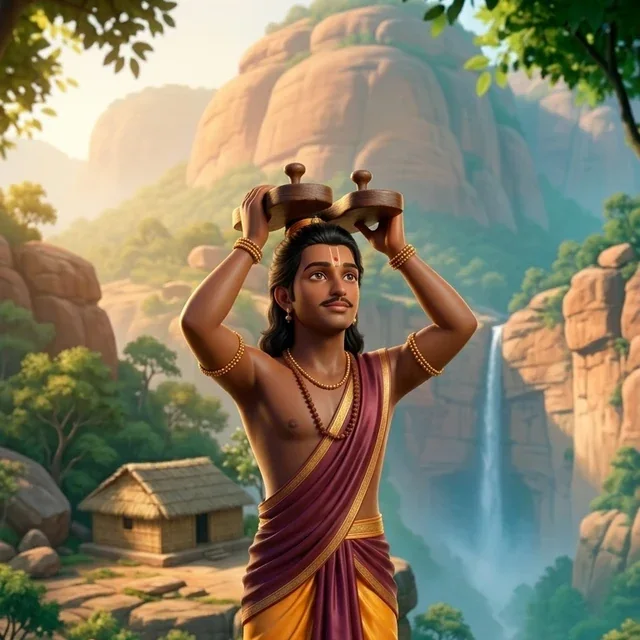
Naani Ki Ramayan 4: Do Vachan, Chaudah Saal
सीता मुस्कुराईं, “हम साथ होंगे, तो हिम्मत भी साथ होगी।”
Sita smiled. "If we are together, courage will be with us too."
 Responsibility
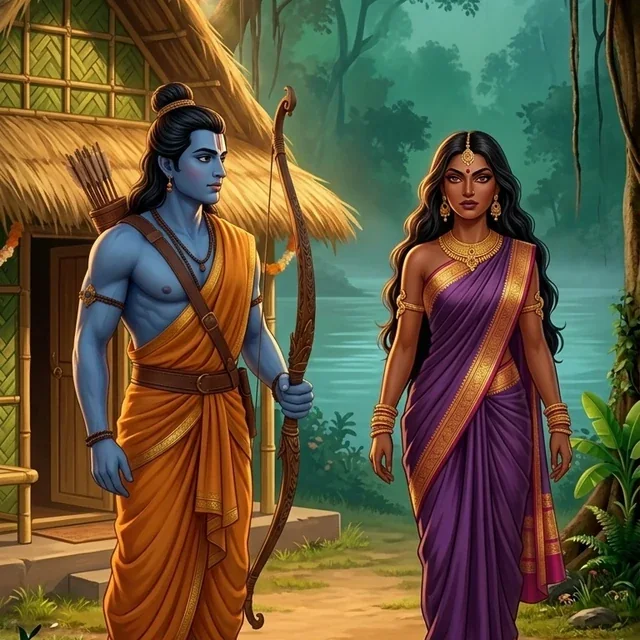
Naani Ki Ramayan 5: Bharat ka Prem aur Jungle mein Naya Ghar
भरत खड़े हो गए। “मुझे राजमुकुट नहीं चाहिए! मुझे मेरे राम भैया चाहिए!”
Bharat stood up. "I don't want the crown! I want my Ram bhaiya!"
 Humility
Naani Ki Ramayan 6: Panchavati mein Anjaan Mehmaan
और राम? अकेले खड़े रहे। धनुष तान लिया।
And Ram? He stood alone, and drew his bow.
 Wisdom
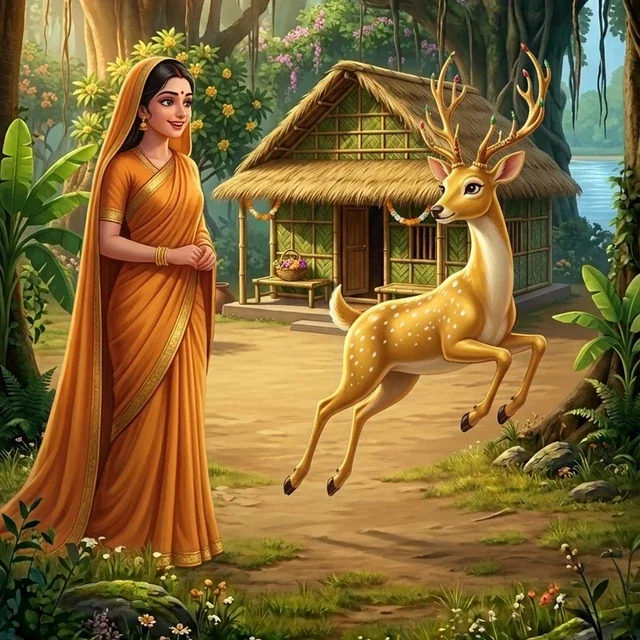
Naani Ki Ramayan 7: Sone ka Hiran
सोने जैसा चमकता तन, उस पर जड़े रंग-बिरंगे मणि! एक सोने का हिरण!
A body shining like gold, set with jewels of every colour! A golden deer!
 Courage
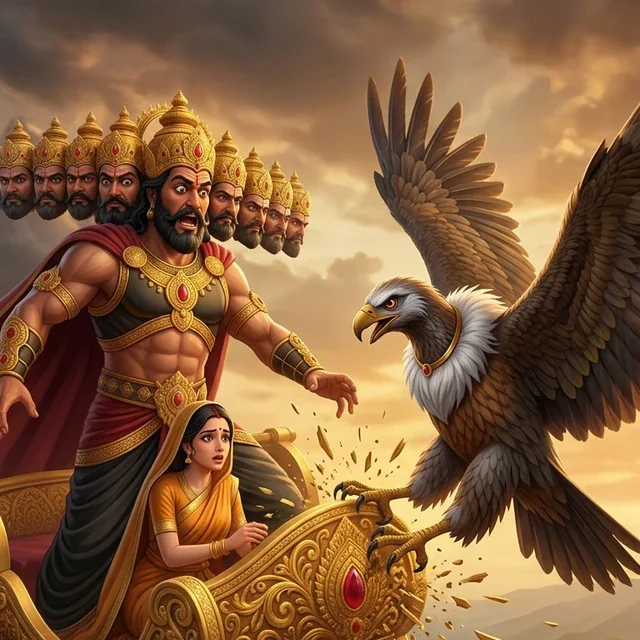
Naani Ki Ramayan 8: Sita Kahan Chali Gayin?
“रुको, रावण! मेरे राम अभी आते हैं। मैं तुम्हारे साथ कहीं नहीं जाऊँगी!”
"Stop, Ravan! My Ram is coming. I will not go anywhere with you!"
 Faith
Naani Ki Ramayan 9: Jatayu Ki Bahaduri Aur Shabari
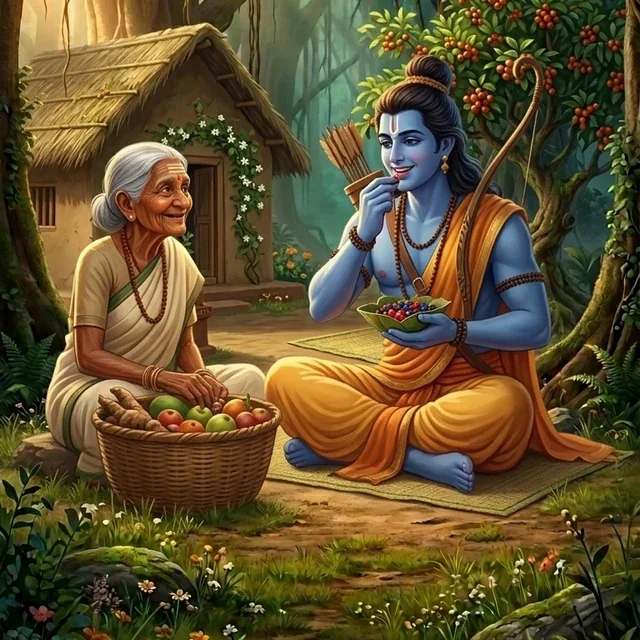
राम ने प्यार से एक बेर उठाया। खाया। “बहुत मीठा है, माता!”
Ram lovingly picked up a berry and ate it. "It is so sweet, Mother!"
 Friendship
Naani Ki Ramayan 10: Ram Aur Sugriv Ki Dosti
फिर एक छोटी-सी आग जली। उसके सामने राम और सुग्रीव ने हाथ थामे— “आज से हम दोस्त!”
Then a small fire was lit. Before it, Ram and Sugriv clasped hands: "From today, we are friends!"
 Teamwork
Naani Ki Ramayan 11: Vanar Sena Ka Bada Abhiyan
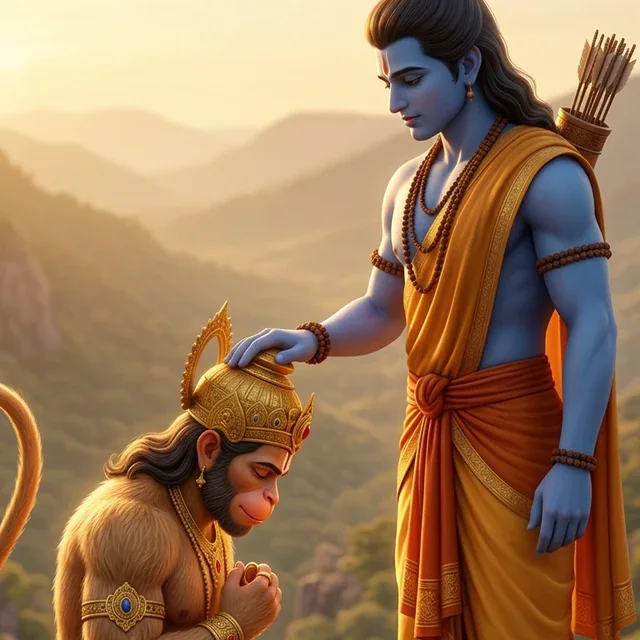
हनुमान ने अंगूठी दोनों हाथों से ली— जैसे खज़ाना! राम ने सिर पर हाथ रखा।
Hanuman took the ring in both hands, like a treasure! Ram placed his hand on his head.
 Courage
Vaisakhi: Panj Pyare Aur Khalsa Ka Janm
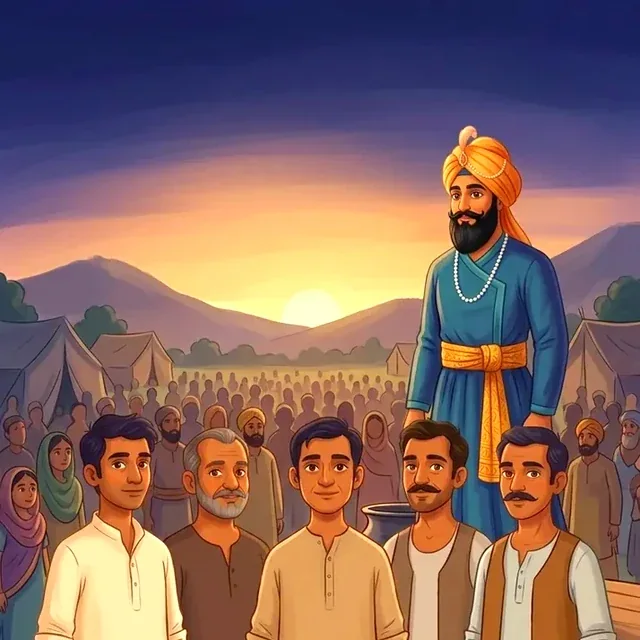
क्या यहाँ कोई ऐसा बहादुर है, जो सच के लिए अपना सब कुछ दे सकता है?
Is there anyone here brave enough to give everything for the truth?
 Self-belief
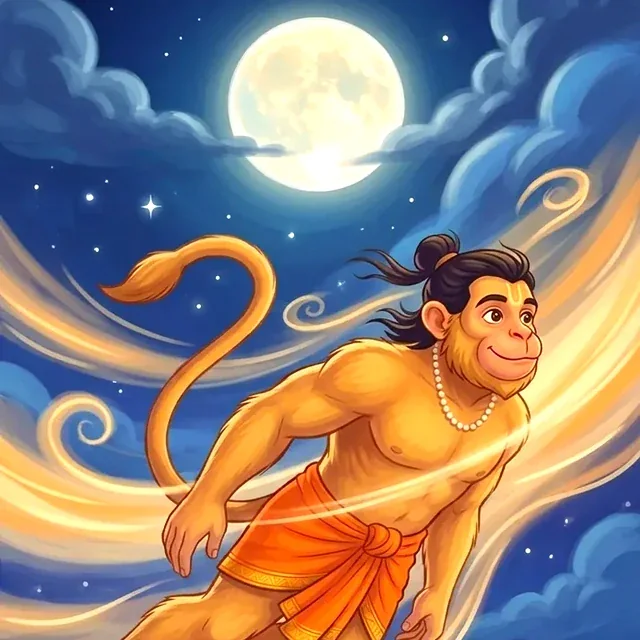
Naani Ki Ramayan 12: Hanuman Ki Samudra Paar Chhalaang
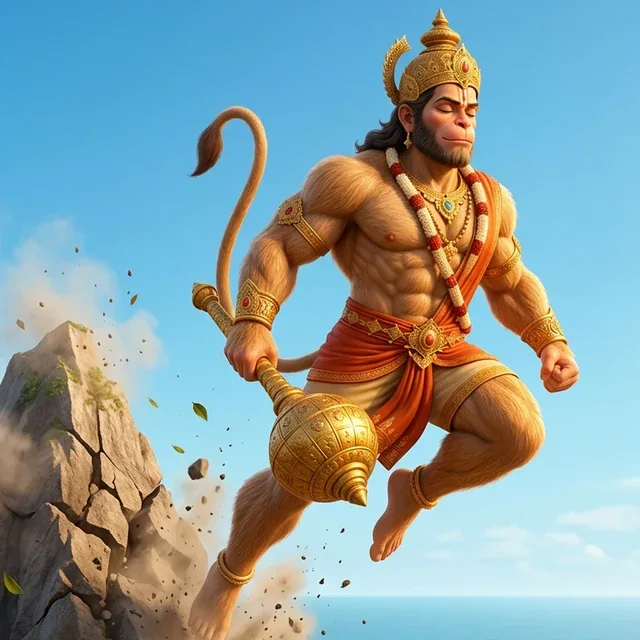
“तुम पवनपुत्र हो— पवन जैसा बल, वैसी ही बुद्धि! कौन काम है जो तुम न कर सको?”
"You are the son of the wind, with the wind's strength and the same wisdom! What task is there that you cannot do?"
 Wisdom
Hanuman aur Sanjeevani Booti
और दिल के इतने सच्चे कि जो उनका दोस्त बन जाए, उसके लिए कुछ भी कर दें।
And a heart so true that he would do anything for anyone who became his friend.
Naani saysरामा ने दुखी होने के बजाय मुस्कुरा कर अपने पिता की बात मान ली।Instead of being sad, Ram smiled and accepted his father's word.
From Diwali: Jab Ayodhya Jagmagayi →
This page is the parent's festival calendar: for each celebration, the story to tell the week before, what a four- to seven-year-old takes from it, and how to keep it gentle. Told by Naani in Hindi with pictures and a question for your child, so the day itself arrives already understood.
Tell the story before the festival, not on the day
On the day there are guests, sweets, new clothes and noise; nobody is listening. The week before, at bedtime, there is a child asking why. Tell the story then — three or four nights running if they ask for it — and the festival changes shape. The diyas on the doorstep become Ayodhya's welcome. The effigy in the park becomes pride losing. The colours of Holi become Prahlad walking out of the fire unharmed. A child who knows the why wants to take part; a child who only knows the what is politely bored by the second hour.
The festivals, their stories and their values
- Diwali (8 Nov 2026) — Ram returns to Ayodhya on a moonless night and the city lights the way. Hope, togetherness, respect for elders.
- Dussehra (20 Oct 2026) — Ram defeats the ten-headed Ravan, who was too proud to return Sita. Humility, courage, friendship.
- Gurpurab (24 Nov 2026) — young Guru Nanak spends the money for a business on feeding the hungry: the true bargain. Kindness, doing the right thing.
- Janmashtami — Krishna is born at midnight in a prison and carried across the flooding Yamuna. Hope, faith, courage.
- Ganesh Chaturthi — the boy who became elephant-headed, and why looking different takes nothing away. Self-belief.
- Holi — Prahlad's faith outlasts Holika's fire, and the colours begin. Courage, faith.
- Vaisakhi — the Panj Pyare stand up first, before they know what follows. Courage, equality.
- Eid — a child shares his Eidi so that a friend is not left out. Sharing, empathy.
- Onam — King Mahabali comes home to his people once a year. Humility, fair leadership.
- Pongal — thanking the sun, the rain, the earth and the cattle for the food on the plate. Gratitude, respect for nature, not wasting.
- Easter — the morning after the longest night. Hope, resilience.
Keeping festival stories gentle for four to seven
Most festival stories have a hard moment — a fire, a battle, a prison — and a four-year-old needs it short. Naani's versions give the hard part two or three sentences and the wonder the rest: Hanuman's leap, the floating stones, the thousands of lamps, the baby carried through the river under a serpent's hood. Follow the same rule when you tell them yourself. Name the fear, resolve it quickly, and spend your time on the joy at the end — which is, after all, the festival.
Then connect the story to a thing your child can touch: a diya, a colour, a sweet made for the day, a thank-you said over a plate of pongal. The value travels from the story into the object, and from the object into next year.
A festival year, for a parent planning ahead
Autumn is the busy season — Dussehra, Diwali and Gurpurab fall within five weeks — so the Ramayana stories do double duty: tell Dussehra first, Diwali three weeks later, and Hanuman's Sanjeevani in between for a child who wants more of the brave monkey friend. Pongal opens the new year in January, Holi comes with spring, Vaisakhi in April, Eid moves with the moon, Janmashtami and Ganesh Chaturthi arrive together at the end of the monsoon, Onam in late August or September. Naani's festival stories are on the shelf all year, so an out-of-season story is fine too — it is only the why that matters.
From the app-store reviews
A few of the public reviews parents have left on Google Play and the App Store, quoted exactly as they wrote them.
“Great stories and really interactive. My kid love it”
“an intellectual way to describe the old stories for kids .”
Nice“Really cute idea for bedtime! I love how Naani actually listens when kids interrupt and responds as part of the story. The mix of Hindi and English feels really natural, and the gentle lessons are a nice touch. Such a lovely way to wind down before sleep!”
“Maine to download kar liya hai aap sabhi log download karo aur yah story Apne bacchon Ko badon ko sunao bahut achcha lagega…”Let Naani tell this week's festival story
The why behind the day, in warm Hindi with pictures and a question for your child halfway. Free stories every night; Naani Monthly unlocks everything.
Listen tonight — free- Free stories every night
- No ads
- Your child’s voice erased after 24 hours
- Made in India
Parents also ask
Which festival stories should I tell a 5-year-old?
Start with the ones that have a clear picture and a joyful ending: Diwali (the lamps), Ganesh Chaturthi (the elephant head), Eid (sharing Eidi), Pongal (thanking the earth). Dussehra and Holi are fine from five if the fire and the battle are kept to a sentence or two, as Naani's versions do.
What values do Indian festival stories teach children?
Hope and togetherness (Diwali), humility (Dussehra), kindness over profit (Gurpurab), sharing (Eid), gratitude and respect for nature (Pongal), self-belief (Ganesh Chaturthi), courage and faith (Holi, Vaisakhi), fair leadership (Onam). Each festival carries one value a child can name.
When should I tell the Diwali and Dussehra stories in 2026?
Dussehra is Tuesday 20 October 2026 and Diwali is Sunday 8 November 2026. Tell each story in the week before its festival, Dussehra first; they are two halves of one story, and a child who hears them in order connects the effigy to the diyas on their own.
Related guides
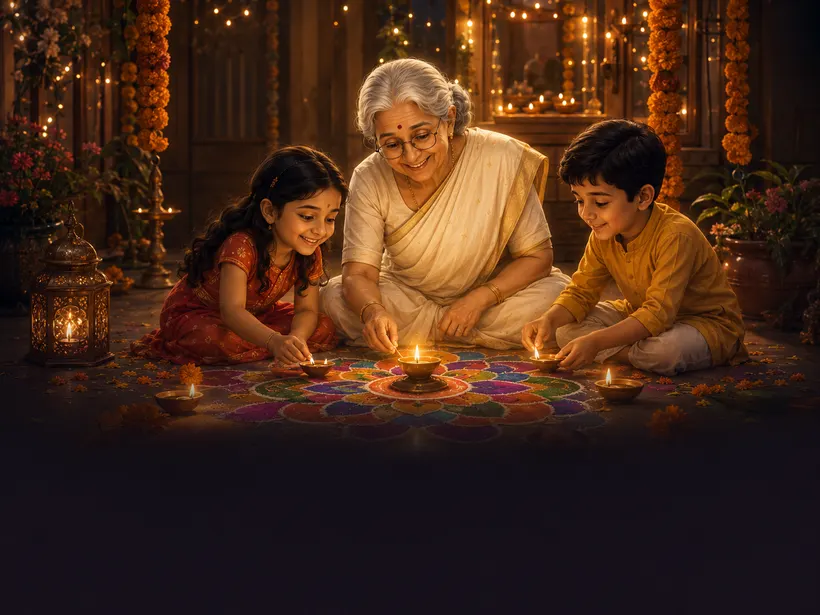 Ramayana storiesNaani Ki Ramayan: the whole Ramayana as a bedtime series for 3–7-year-olds, one gentle episode a night, ending on Diwali.Navratri storiesA Navratri day-wise story for every night: the nine Devis, the value each one teaches, and how to tell them to a 3–7-year-old.Diwali storyRam's return to Ayodhya, the diyas, and how to tell it to a 4–7-year-old.Dussehra storyRam and Ravan for a 4–7-year-old: humility, courage, friends — and why the effigy burns.Guru Nanak storySachcha Sauda for a 4–7-year-old: kindness over profit, and how to tell it before Gurpurab.
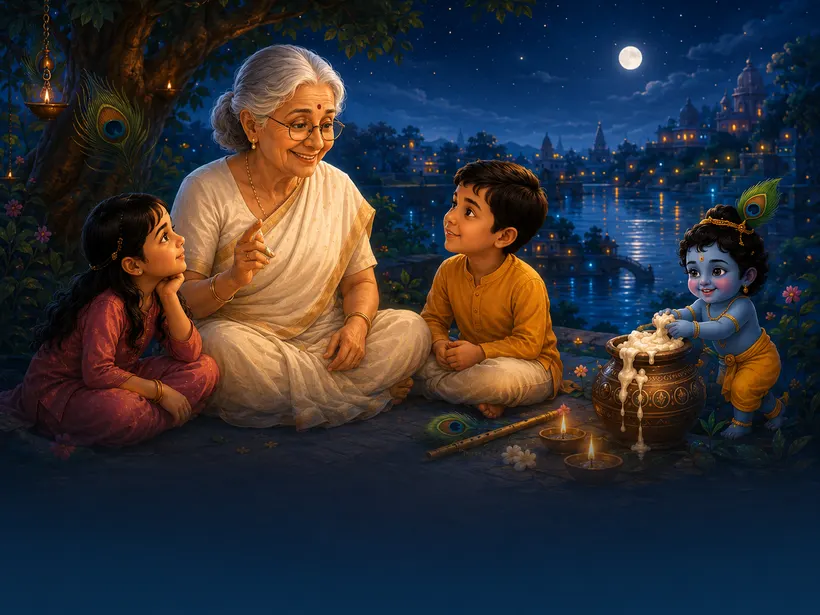 Krishna storiesMakhan Chor to Govardhan: what each Krishna story teaches and the order to tell them.Indian bedtime storiesFor NRI and city families: keeping Indian stories, values and Hindi alive at bedtime.