Panchatantra stories for kids in Hindi — animal tales with a seekh your child can repeat
पंचतंत्र की कहानियाँ — बच्चों के लिए, नानी की आवाज़ में
Strong values shape strong children — and the Panchatantra was written for exactly that purpose, two thousand years ago, by a teacher who had to turn three princes who would not listen into thoughtful young men. He did it with animals. A jackal who falls in a vat of blue dye and pretends to be a king. A tortoise who cannot stop talking. A small rabbit who beats a lion with a thought.
- Free stories every night
- No ads
- Your child’s voice erased after 24 hours
- Made in India
Panchatantra and Jataka stories, told by Naani
Each card plays 30 seconds of Naani's real voice. Tap through for the retelling, the moral your child takes from it, and the questions to ask afterwards. New pages are added every day.
 Honesty
Neela Siyaar
पर चंदरू का पेट ख़ाली था। सुबह से उसे कुछ खाने को नहीं मिला था।
But Chandru's stomach was empty. He had found nothing to eat since morning.
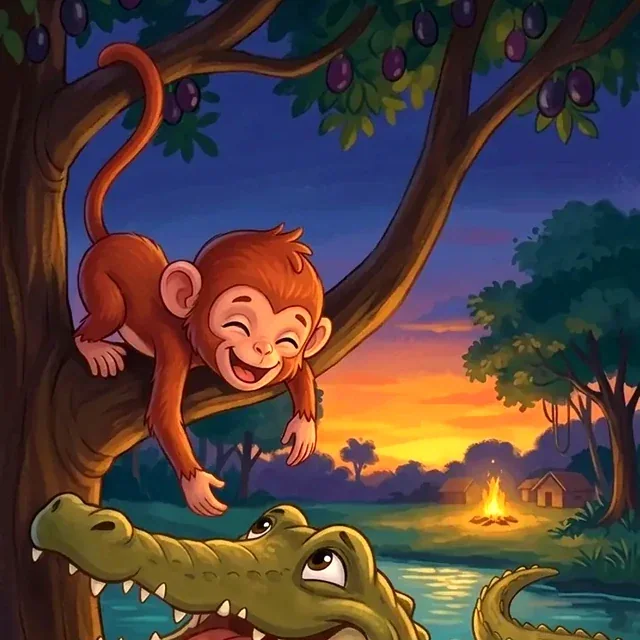 Courage
Chintu aur Magarmachh
उसे अपने पेड़ से बहुत प्यार था — यह उसका घर था, और घर में सब अच्छा लगता है।
He loved his tree very much — it was his home, and at home everything feels good.
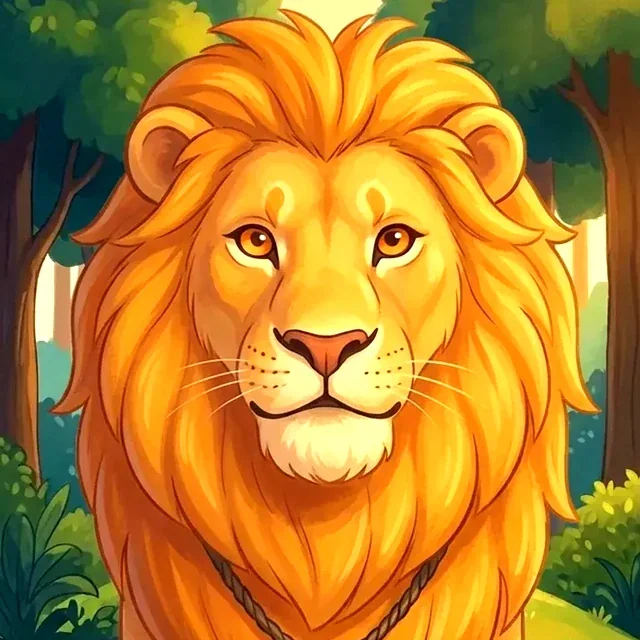 Wisdom
Sher aur Chalaak Khargosh
चीकू छोटा-सा था, पर हर चीज़ को ध्यान से देखता और सोचता।
Chiku was small, but he looked at everything carefully and thought about it.
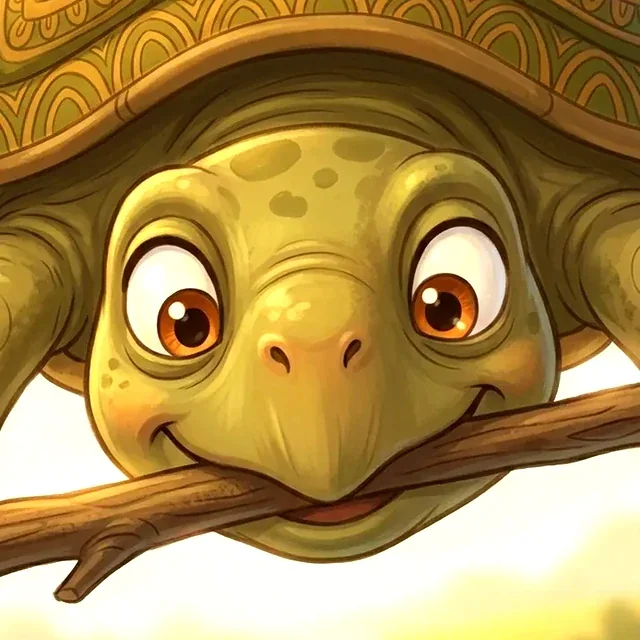 Wisdom
Baatuni Kachhua
हमारा कछुआ बड़ा बातूनी था — सुबह से शाम तक बोलता ही रहता।
Our tortoise was a great talker — he chattered from morning till night.
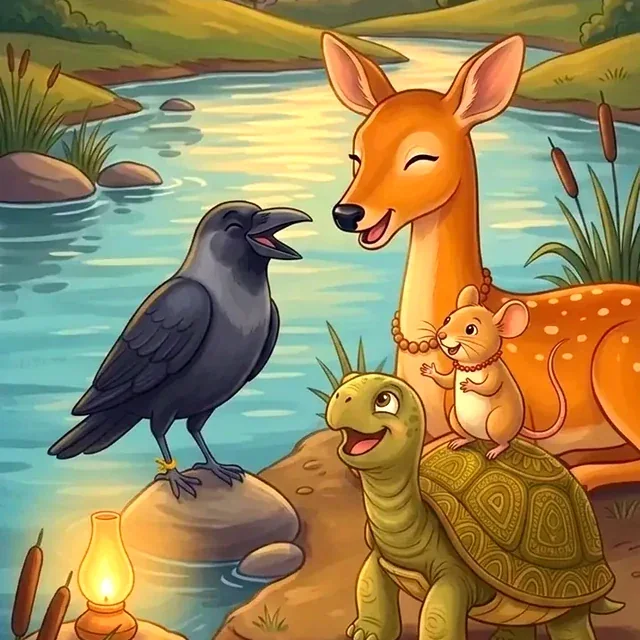 Teamwork
Char Dost aur Shikari
चारों बिलकुल अलग-अलग थे, हूँ ना?
All four were completely different from each other, weren't they?
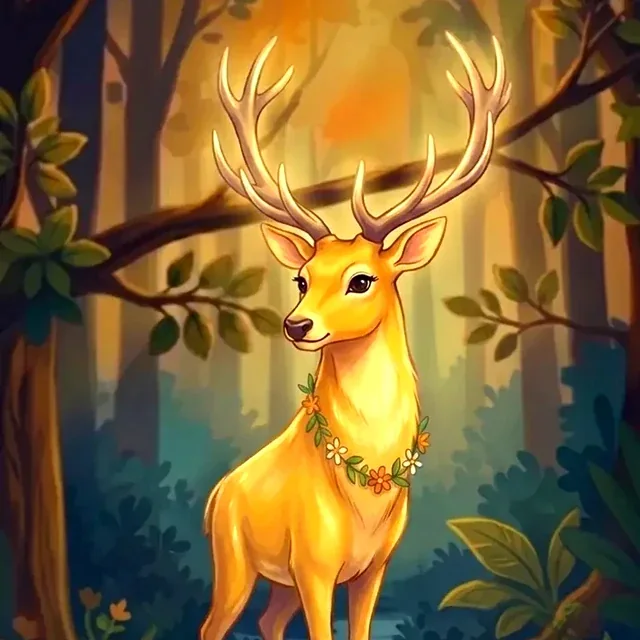 Kindness
Dayalu Raja Hiran
राजा होकर भी वो हमेशा पहले दूसरों की सोचता था, अपनी सबसे बाद में।
Even as king, he always thought of others first — and of himself last of all.
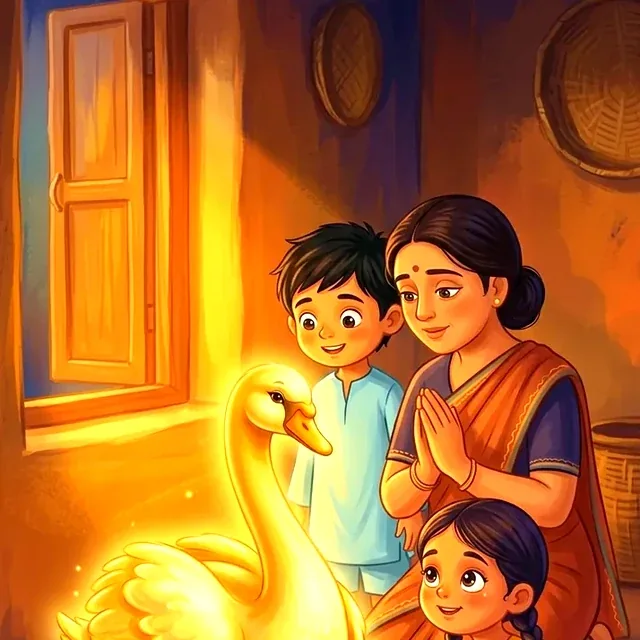 Patience
Sone ka Hans
अम्मा हँसकर कहतीं, जिसके पास थोड़ा है, वह भी बाँट सकता है।
Amma would say with a laugh: whoever has a little can still share.
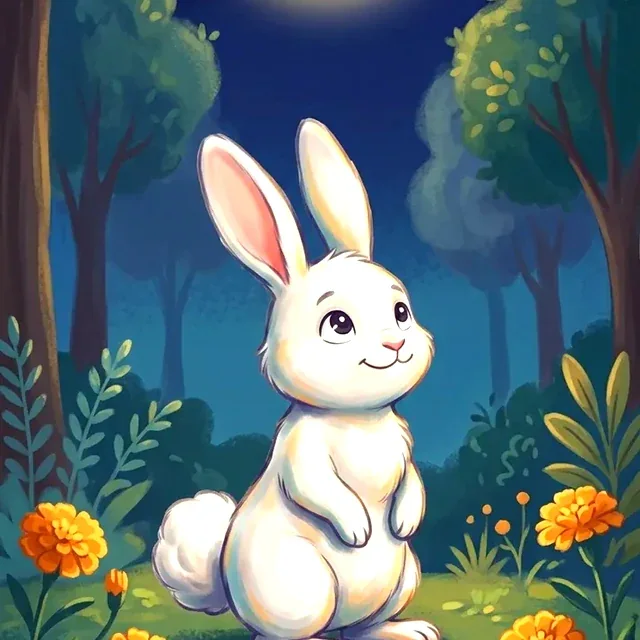 Kindness
Chand par Khargosh
और उस जंगल की एक प्यारी रीत थी: पूर्णिमा की रात अगर कोई भूखा मेहमान आ जाए, तो उसे अपना खाना ज़रूर खिलाओ।
And that forest had a lovely custom: if a hungry guest arrives on the full-moon night, you must share your food.
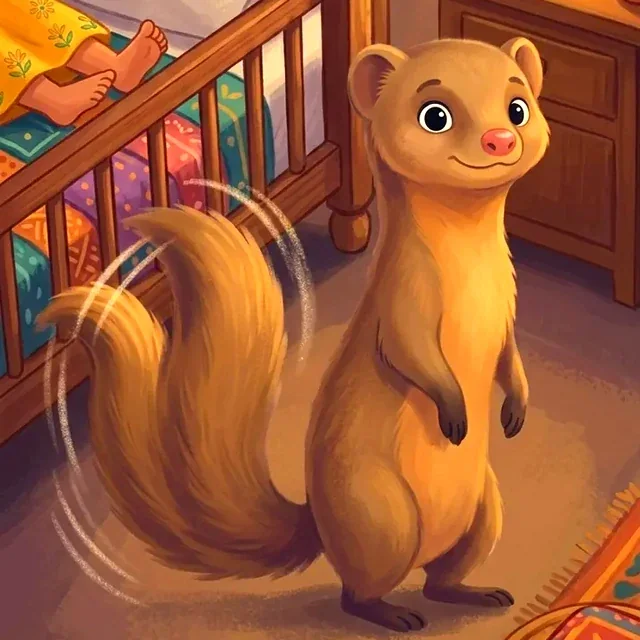 Anger
Wafadaar Nevla
माँ उसे घर ले आईं, दूध पिलाया, और तब से मोती घर का ही हो गया।
Mother brought him home, fed him milk, and from then on Moti belonged to the house.
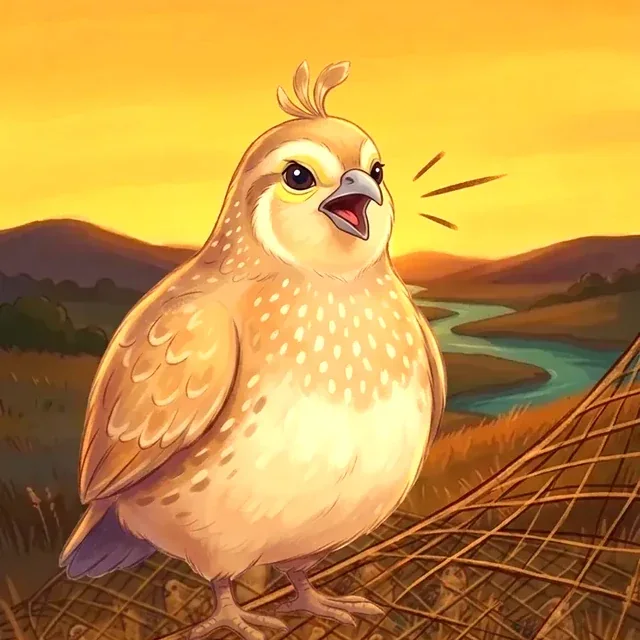 Teamwork
Bateron ki Ladayi
उस खेत में सौ बटेरों का परिवार रहता था। उनका एक सरदार था — सबसे बूढ़ा और सबसे समझदार बटेर।
In that field lived a family of a hundred quails. They had a leader — the oldest and wisest quail of all.
Naani saysपर चंदरू का पेट ख़ाली था। सुबह से उसे कुछ खाने को नहीं मिला था।But Chandru's stomach was empty. He had found nothing to eat since morning.
This page gathers Naani's Panchatantra and Jataka stories for children aged four to seven: what happens in each, the value it carries, which ones suit which age, and how to tell them in Hindi so the seekh comes out of your child's mouth and not yours.
Why animals teach better than adults
A four-year-old told to stop boasting hears a scolding. A four-year-old watching the Blue Jackal howl at the moon and give himself away laughs — and quietly files the lesson. Animals let a child look at a flaw from the outside without feeling accused. They also make the stakes vivid but safe: the lion is dangerous, the crocodile has a plan, but nobody your child loves is in the story, so they can enjoy the danger and keep the wisdom.
The Panchatantra's own word for what it teaches is niti — the art of living sensibly with other people. Honesty, patience, thinking before acting, checking the facts before getting angry, standing by a friend. These are the exact skills a child between four and seven is struggling to learn at school and at home.
The stories and what each one teaches
- Chintu aur Magarmachh (the monkey and the crocodile) — fear has a door in it; breathe and think. Wisdom.
- The Blue Jackal (Neela Siyar) — pretending works for a day; being yourself works for life. Honesty.
- The Lion and the Clever Rabbit — a cool head beats a strong arm. Wisdom and thinking.
- The Talkative Tortoise — not every comment needs an answer. Self-control.
- The Four Friends and the Hunter — different strengths, one team. Teamwork and friendship.
- The Quarrel of the Quails — a group that argues is easy to catch. Cooperation.
- The Loyal Mongoose — check the facts before acting in fear or anger. Patience.
- The Golden Swan — one feather at a time; greed empties the nest. Gratitude and patience.
- The Banyan Deer (Jataka) — a leader protects the weakest. Responsibility.
- The Hare in the Moon (Jataka) — generosity is measured by sincerity, not size. Kindness.
Which to tell at four, five and seven
At four, choose the ones with a single picture and a laugh: the Blue Jackal, the Hare in the Moon, the Talkative Tortoise. At five and six, the ones with a turn the child can predict out loud — the monkey and the crocodile, the Four Friends, the Quarrel of the Quails. Keep the Lion and the Clever Rabbit and the Loyal Mongoose for six and seven, when a child can hold a plan in their head and talk about what the mongoose's owner should have done differently.
How to tell a Panchatantra story so the seekh sticks
Tell it in Hindi — siyar, kachhua, khargosh, magarmachh are half the fun — and let the animals have voices. Stop before the turn and ask: "ab kachhua kya karega?" Naani does this in every story, waits for your child's answer and replies to it by name, so the child is inside the plot rather than watching it. Afterwards, do not announce the moral. Ask "toh neele siyar ne galti kya ki?" and let your child say it. A seekh a child says aloud is one they keep; a seekh a parent says is one they nod at.
From the app-store reviews
A few of the public reviews parents have left on Google Play and the App Store, quoted exactly as they wrote them.
“Great stories and really interactive. My kid love it”
“an intellectual way to describe the old stories for kids .”
Nice“Really cute idea for bedtime! I love how Naani actually listens when kids interrupt and responds as part of the story. The mix of Hindi and English feels really natural, and the gentle lessons are a nice touch. Such a lovely way to wind down before sleep!”
“Maine to download kar liya hai aap sabhi log download karo aur yah story Apne bacchon Ko badon ko sunao bahut achcha lagega…”Let Naani tell a Panchatantra story tonight
The animal tales your grandmother told, in warm Hindi with pictures and a question for your child halfway. One story, one seekh, then good night. Free stories every night; Naani Monthly unlocks everything.
Listen tonight — free- Free stories every night
- No ads
- Your child’s voice erased after 24 hours
- Made in India
Parents also ask
What are the best Panchatantra stories for kids in Hindi?
For four to seven: the Blue Jackal (Neela Siyar), the Monkey and the Crocodile (Bandar aur Magarmachh), the Lion and the Clever Rabbit, the Talkative Tortoise, the Four Friends and the Hunter, and the Jataka tales of the Banyan Deer and the Hare in the Moon. Each carries one clear seekh and ends calmly.
What is the moral of Panchatantra stories?
Each has its own, but together they teach niti — living sensibly with others: think before you act, be yourself, do not boast or gossip, check facts before anger, stand by friends, share. The frame story says they were written to make three unwilling princes wise, which is why they work on children who will not be lectured.
What age are Panchatantra stories for?
From about four, with the simpler fables, through to adults who still quote them. For bedtime between four and seven, pick the ones with one clear picture and a laugh first, and move to the longer, plan-based stories like the Lion and the Clever Rabbit at six or seven.
Related guides
 Stories by valueEvery Naani story grouped by the value it teaches — honesty, sharing, courage, kindness and more.
 Hindi bedtime storiesWhy Hindi at bedtime, how to make it a habit, and which story to start with.
 Krishna storiesMakhan Chor to Govardhan: what each Krishna story teaches and the order to tell them.
 Indian bedtime storiesFor NRI and city families: keeping Indian stories, values and Hindi alive at bedtime.