Diwali: Jab Ayodhya Jagmagayi — the Diwali story for kids, in Hindi
The Diwali story told so your child takes away hope, togetherness, and a prince who did his duty with a smile.
दिवाली की कहानी — जब अयोध्या दीयों से जगमगा उठी
Hear Naani tell it
Watch a glimpse
The story
Ask a six-year-old why we light diyas on Diwali and you will usually get a shrug. This is the story that answers it — and, more usefully for a parent, it is a story about hope: that however dark a night gets, people who care about each other can light the way home. Children also meet a prince who accepts a hard decision from his father without a tantrum, which is worth more than any number of reminders to listen to your elders.
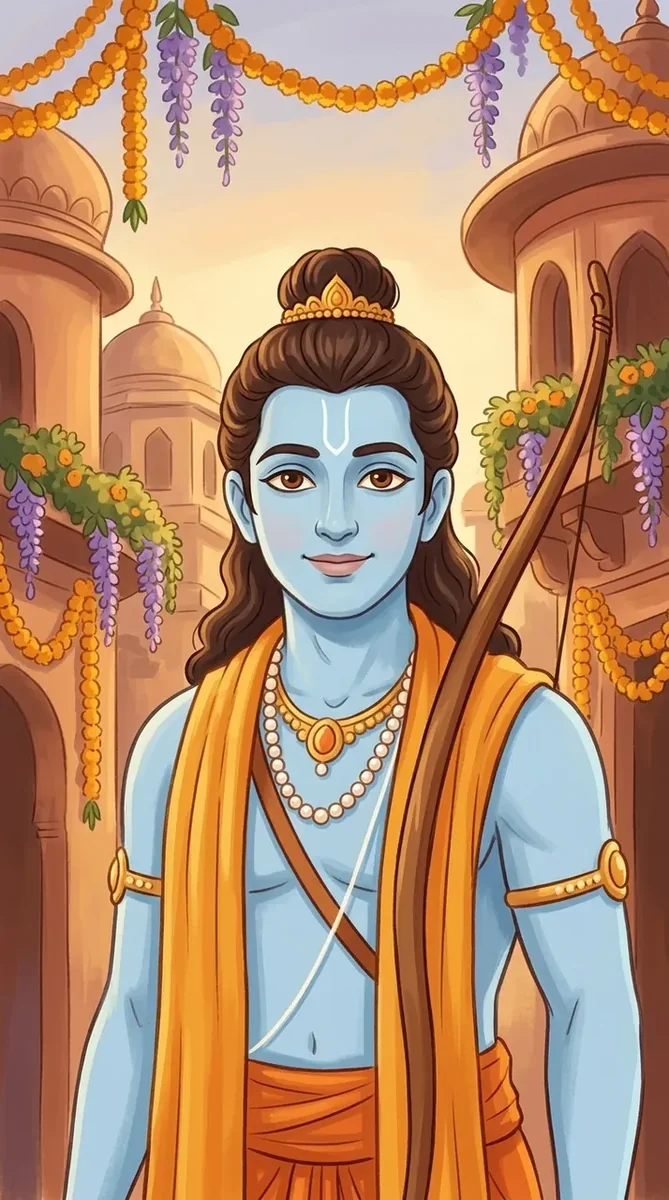
Many years ago there was a golden city called Ayodhya, where the palaces shone like the sun and the people were about to crown their beloved prince, Ram. Then everything changed. Queen Kaikeyi asked the king for two old promises, and Ram was sent to live in the forest for fourteen years. He did not sulk; he smiled and did as his father asked. Sita and his younger brother Lakshman walked out of the city gates beside him.
Naani saysरामा ने दुखी होने के बजाय मुस्कुरा कर अपने पिता की बात मान ली।Instead of being sad, Ram smiled and accepted his father's word.
The story in pictures
Frames from Naani’s telling, in story order — the pictures your child sees while she speaks.
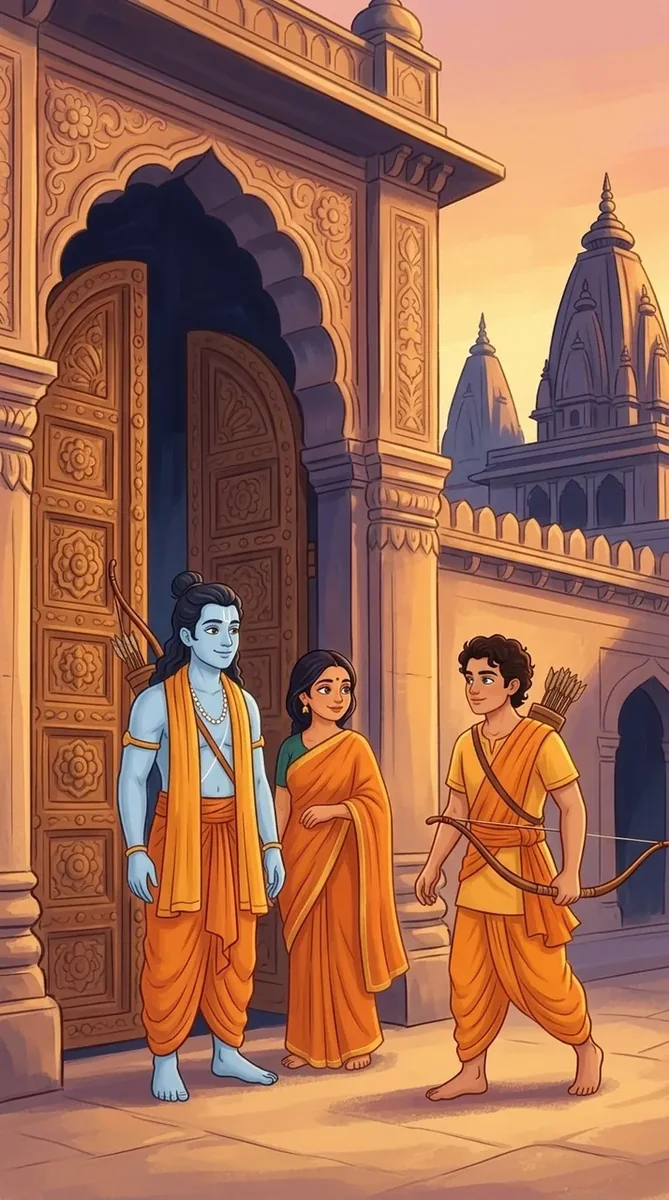

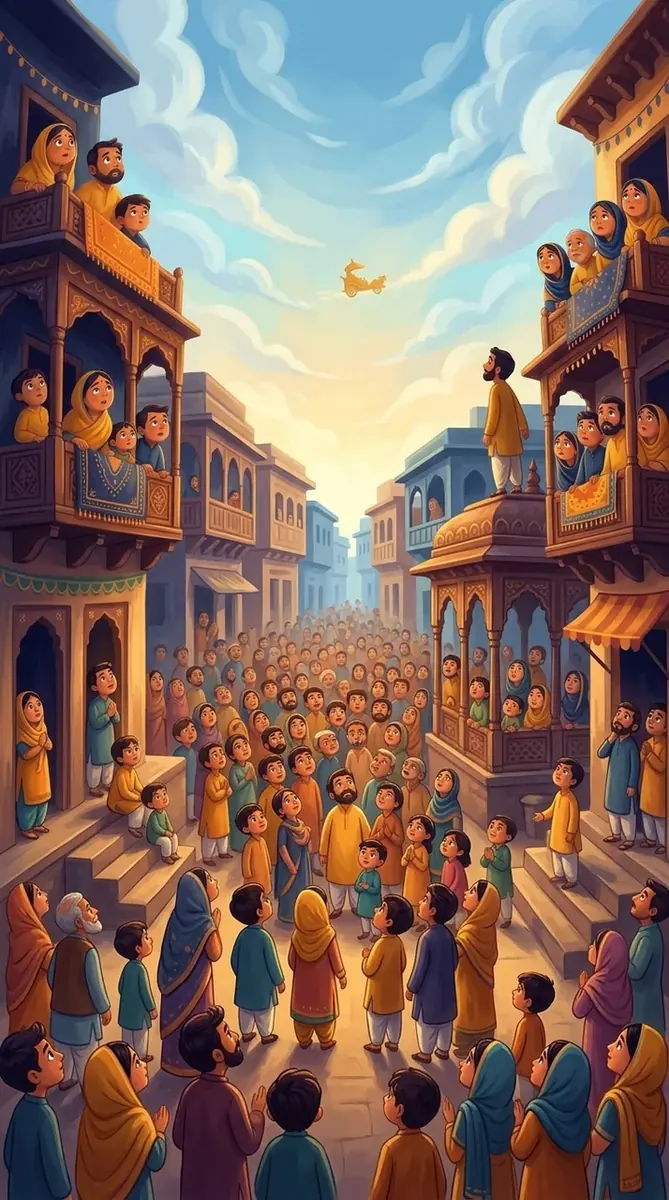
Naani moves quickly and gently through the parts a small child needs: the little hut in the forest, the colourful birds, the day Ravan carried Sita away, the meeting with Hanuman and his vanar sena, the great bridge of stones across the sea, and Ram's victory. At each turn she pauses and asks your child something — was Hanuman a brave friend? what did the sea sound like when the monkeys dropped the stones? — and answers whatever they say.
Naani saysहनुमान और उनकी वानर सेना ने रामा की बहुत मदद की। सबने मिलकर समंदर पर एक बड़ा सा पुल बनाया।Hanuman and his monkey army helped Ram greatly. Together they built a great bridge across the sea.
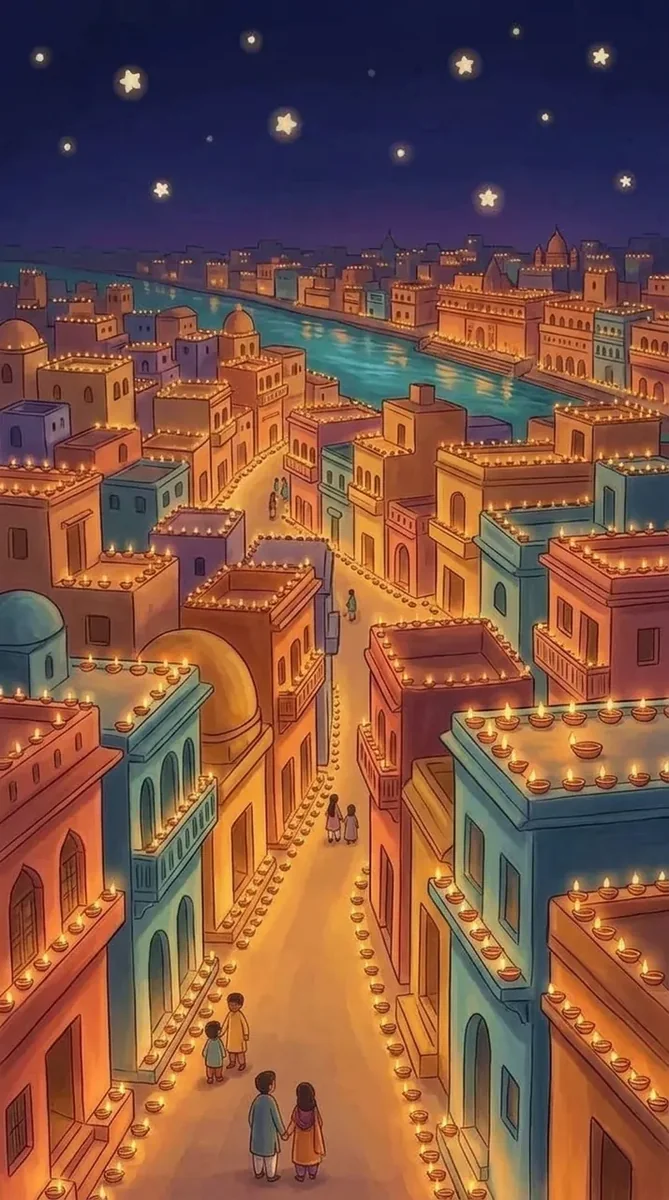
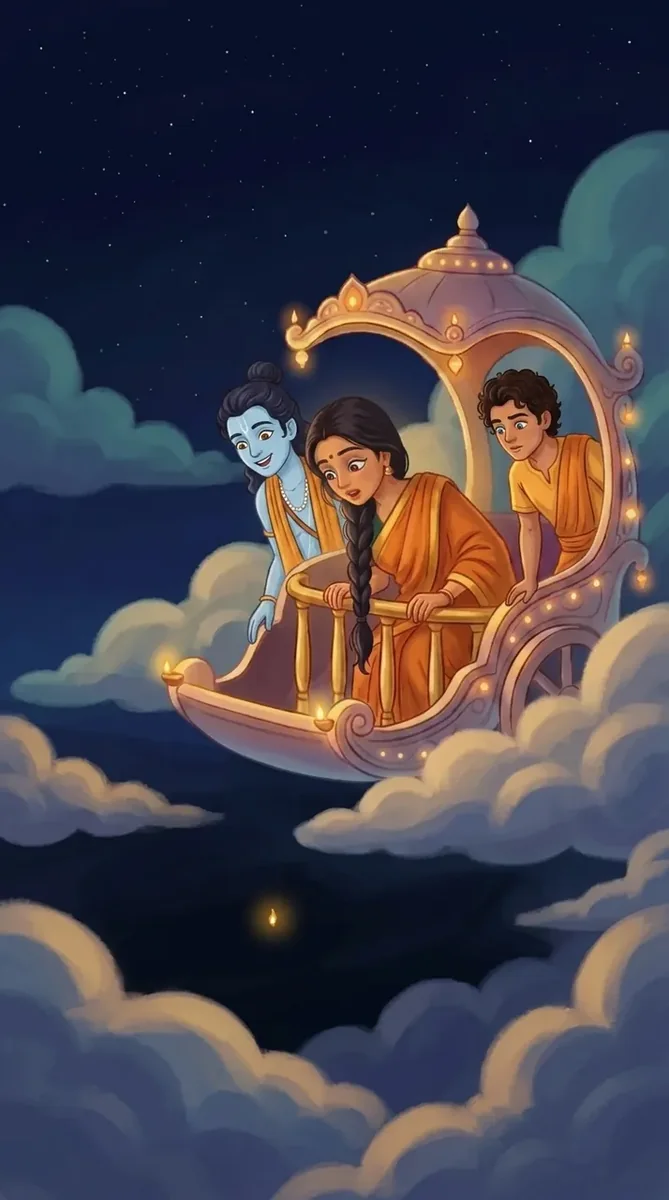
Then comes the heart of the story. Fourteen years are over and Ram, Sita and Lakshman are flying home in a chariot. But it is amavasya, the night of no moon, and Ayodhya is in complete darkness. How will Ram find his way? The people have an idea. Every family comes out with little clay lamps, fills them with oil, and lines them along every doorstep and rooftop, until the whole city is a river of light. From high above the clouds Sita looks down and sees first one tiny point of light, then another, then thousands — as if all the stars had been laid out on the ground.
Naani saysपर उस रात 'अमावस्या' थी, यानी आसमान में चाँद बिल्कुल नहीं था।But that night was amavasya — there was no moon in the sky at all.
Naani saysपहले एक छोटा सा बिंदु, फिर दूसरा, और फिर हज़ारों!First one tiny point of light, then another, and then thousands!
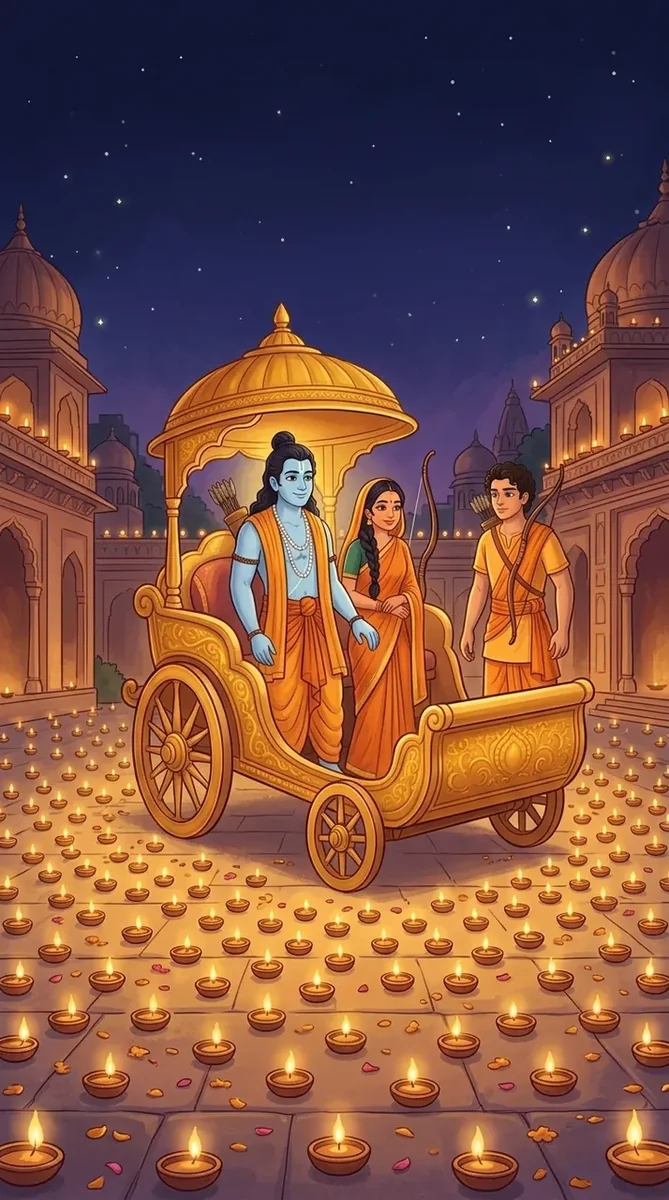
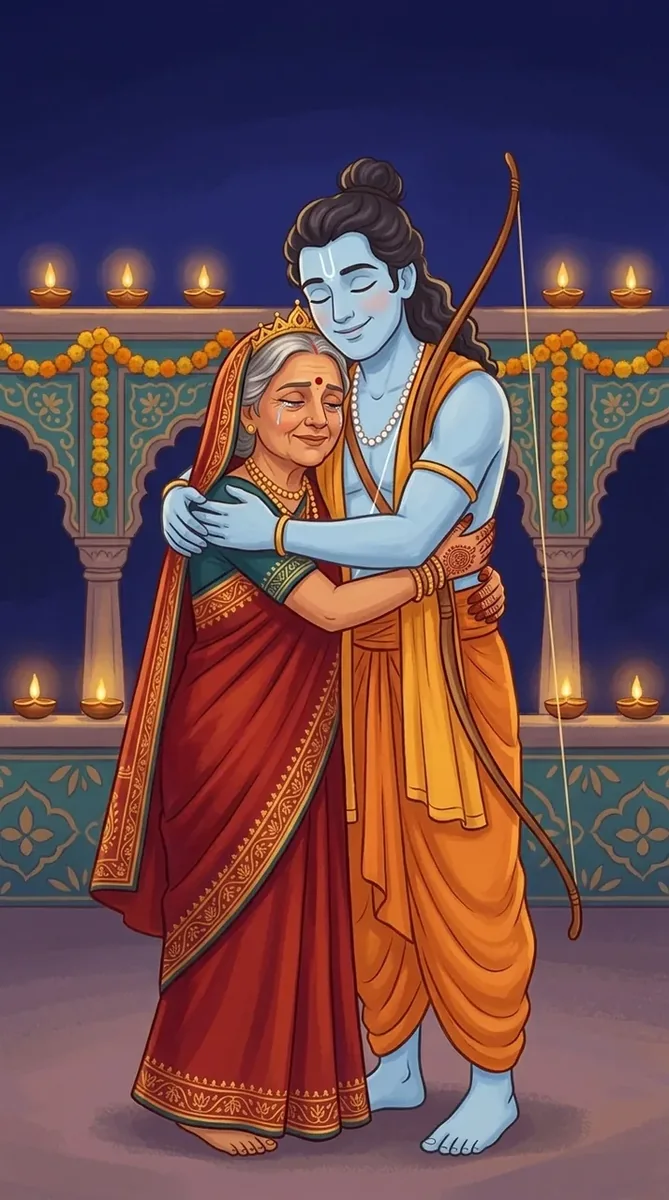
The chariot lands in a circle of lamps. There are tears, there is laughter, and nobody in Ayodhya notices the dark that night. That, Naani tells your child, is why every year we light diyas: to welcome Ram home, and to remember that light always finds a way through the dark — especially when everyone lights one lamp together.
The value this story teaches
Small children feel the dark very literally, and festivals are the first place they meet the idea that people gather to push it back. Hope is not a word a five-year-old can hold, but "everyone came out with a diya so Ram could see the way" is a picture they can. Alongside it sits a quieter lesson: Ram hears a decision he does not like from his father and accepts it with grace, which is a model of respect for elders that no amount of telling can match.
The story earns both ideas without a speech. The darkness of amavasya is real — the people are frightened — and the answer is not one hero but a whole city filling clay lamps together. When Sita looks down and sees one light, then thousands, your child feels the relief of a community keeping faith. Light a single diya after the story and the connection is made for life.
How to talk about it at bedtime
- Ask your child: why could the people of Ayodhya not see the chariot coming, and what did they decide to do about it?
- Try: "Jab tumhe andhera lagta hai, hum kya karte hain?" — then make the plan together: a night light, a hand to hold, a diya on Diwali.
- Notice together how Ram smiled when his father asked something hard. Ask when they last did something they did not want to do, and how it felt afterwards.
When to pick this story
- The week before Diwali, so the diyas at home have a story behind them
- A night when your child is afraid of the dark
- After an argument about a rule set by a grandparent or teacher
Try asking your child
After the story, or the next morning on the way to school:
- Why could the people of Ayodhya not see Ram's chariot coming? What did they do about it?
- If you were flying with Sita and looked down at thousands of diyas, what would it look like to you?
- Which diya will you light at home this Diwali, and who will you light it for?
Meet the characters
The prince of Ayodhya who goes to the forest for fourteen years without complaint and comes home to a city of lamps.
Ram's wife, who walks into the forest beside him and is the first to spot the lights from the flying chariot.
The brave friend whose monkey army builds the bridge across the sea.
Everyone — who fill thousands of clay diyas so Ram can find his way home.
From the app-store reviews
Two of the public reviews parents have left on Google Play and the App Store, quoted exactly as they wrote them.
“an intellectual way to describe the old stories for kids .”
Nice“Really cute idea for bedtime! I love how Naani actually listens when kids interrupt and responds as part of the story. The mix of Hindi and English feels really natural, and the gentle lessons are a nice touch. Such a lovely way to wind down before sleep!”
Give your child a story with a value every night
Naani tells Diwali: Jab Ayodhya Jagmagayi in warm Hindi, shows the pictures, asks a question halfway and listens to your child's answer. One story, one seekh, then good night.
Listen tonight — free- Free stories every night
- No ads
- Your child’s voice erased after 24 hours
- Made in India
About this story
- Language: Hindi — simple, in a grandmother’s voice
- Ages: 4–7
- Listen time: about 7 minutes
- Value: Faith & devotion, Teamwork, Respect for elders
- World: Festival Stories
- Theme: Light stands for homecoming and hope; darkness never has the last word.
Also plays in the browser: app.naani.live/stream/diwali-jab-ayodhya-jagmagayi (sign-in required).
Parents also ask
What is the Diwali story for kids in short?
Prince Ram of Ayodhya is sent to the forest for fourteen years, rescues Sita from Ravan with Hanuman's help, and returns home on a moonless night. The people light rows of clay lamps so he can find his way — which is why we light diyas on Diwali.
Is this version suitable for a 4-year-old?
Yes. Naani keeps the battle to a few calm sentences and spends most of the seven minutes on the homecoming and the lamps. There are no frightening descriptions, and the story ends with the whole city asleep.
When is Diwali in 2026?
Diwali (Lakshmi Puja) falls on Sunday, 8 November 2026. Dussehra, which tells the earlier part of the same story, is on 20 October 2026.
Next story
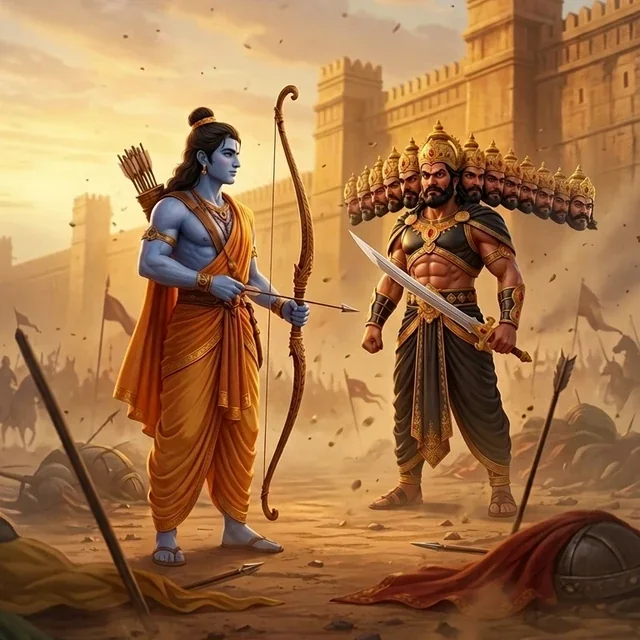
Dussehra: Rama Aur Ravana Ka Antim Yudh
The Dussehra story, told so a five-year-old learns that ghamand loses and a calm, kind heart wins.
More Festival Stories
All Festival Stories →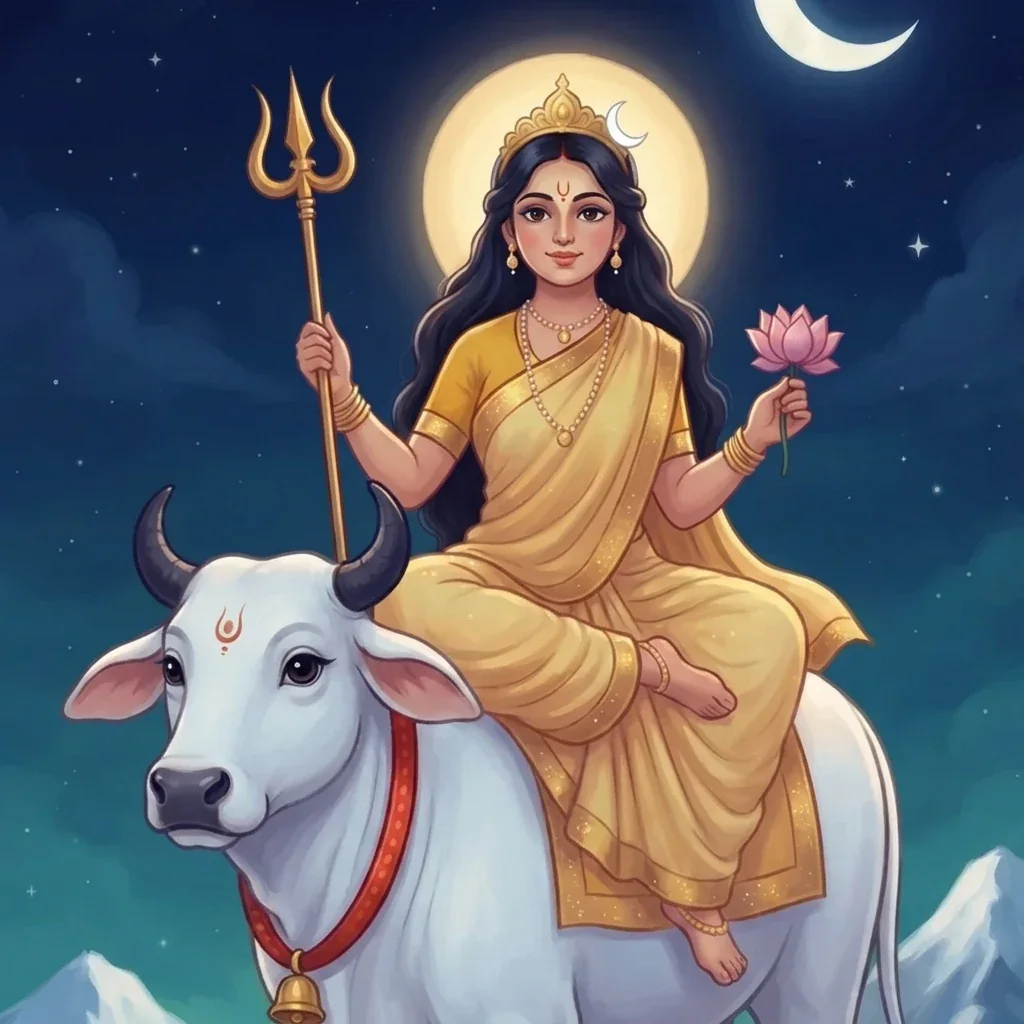 Anger
Navratri Night 1 — Maa Shailputri
The first Devi of Navratri, told so your child learns that the strongest hands can still be gentle.
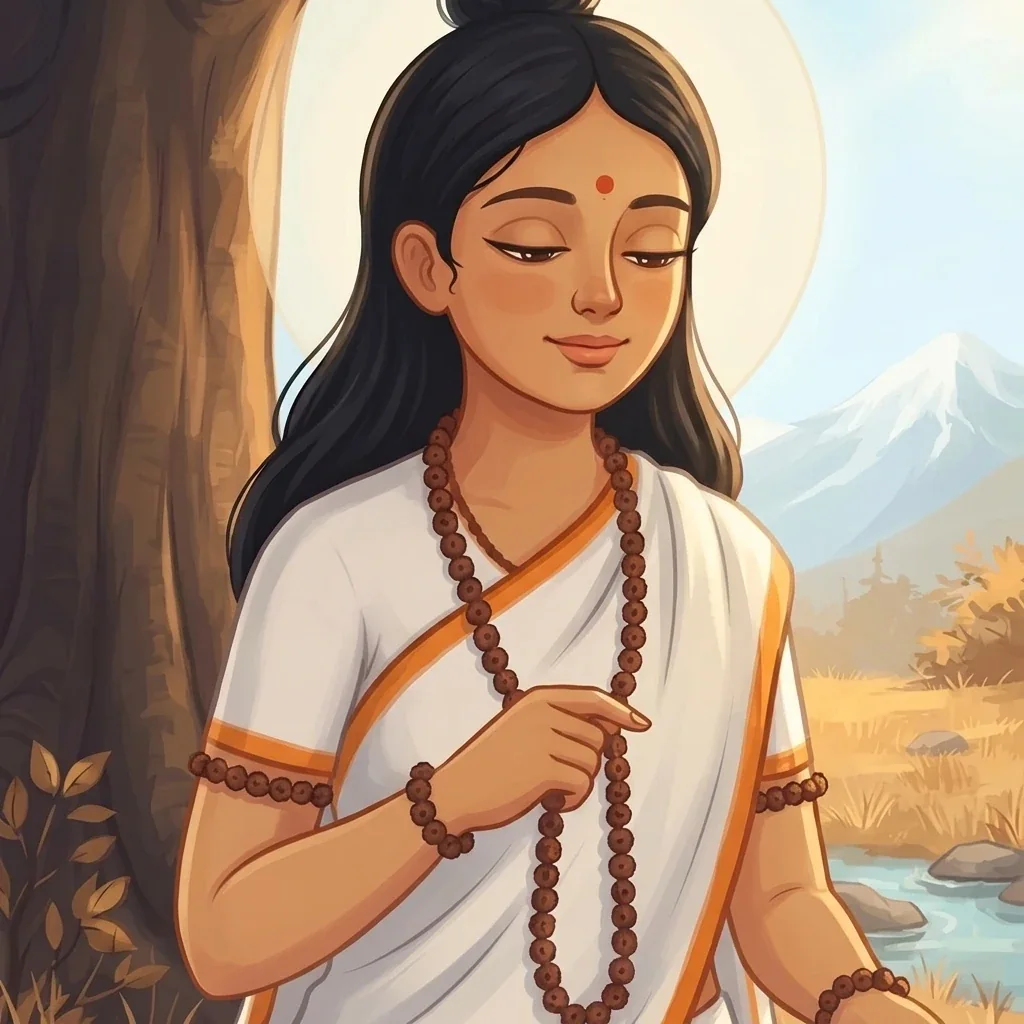 Resilience
Navratri Night 2 — Maa Brahmacharini
The Devi of tapasya, told so your child learns that falling isn't losing — giving up is.
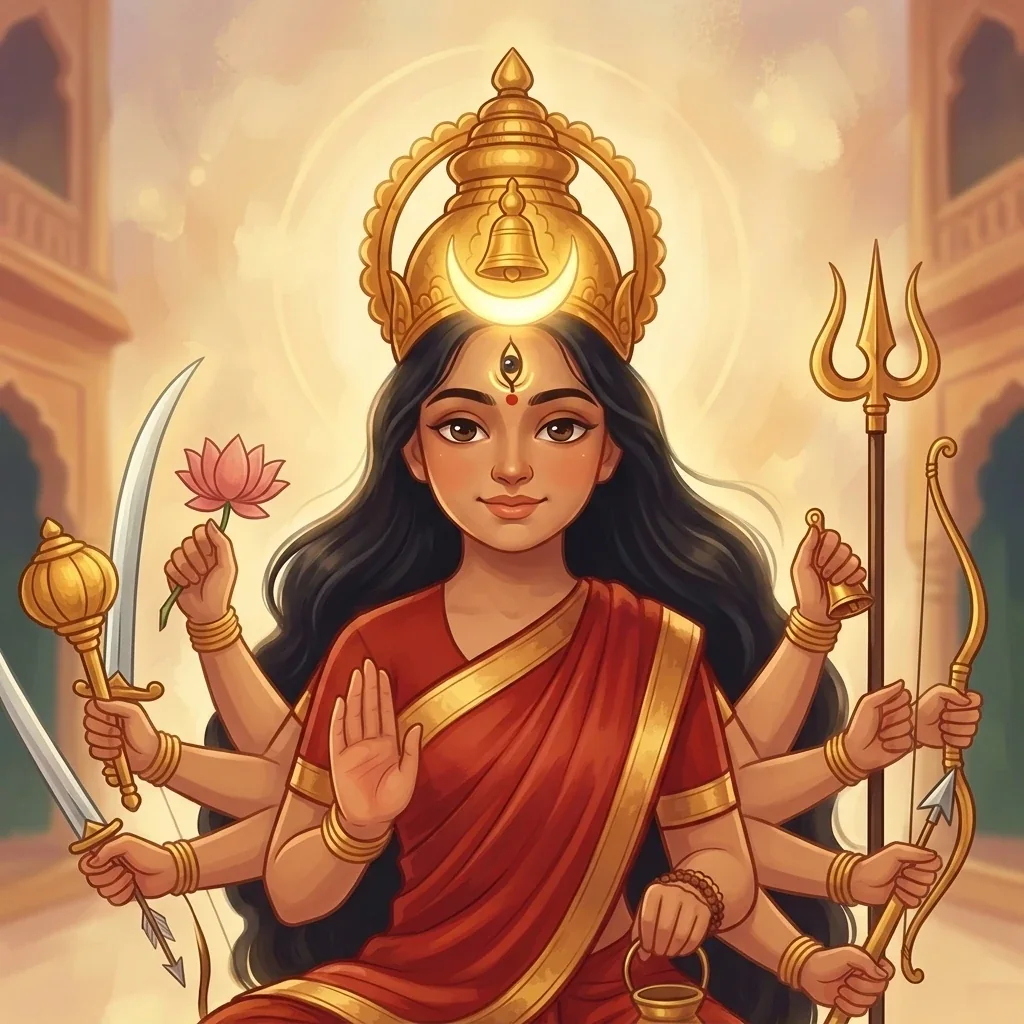 Courage
Navratri Night 3 — Maa Chandraghanta
The third Devi of Navratri, told so your child learns calm courage: one deep breath, then a brave step forward.
More stories that teach faith & devotion
Bhakti, trust and hope — the quiet confidence that good wins.
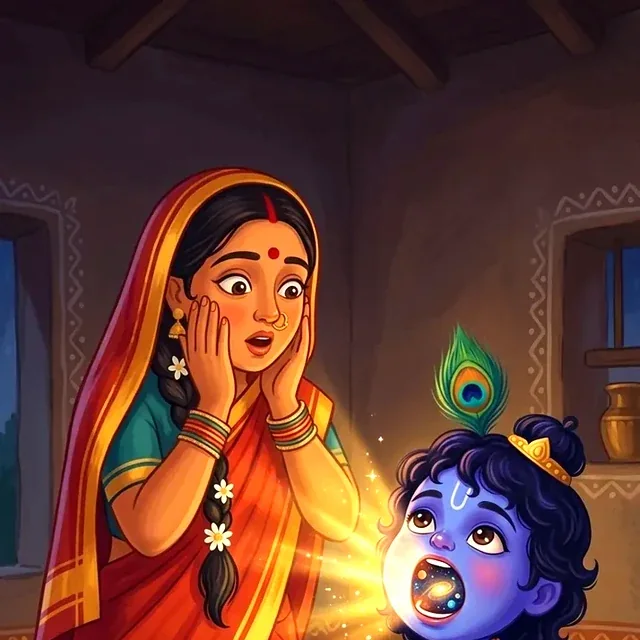 Faith
Kanha ke Munh mein Duniya
A Krishna story that teaches your child to look closely at the people they love — there is a whole world inside.
 Faith
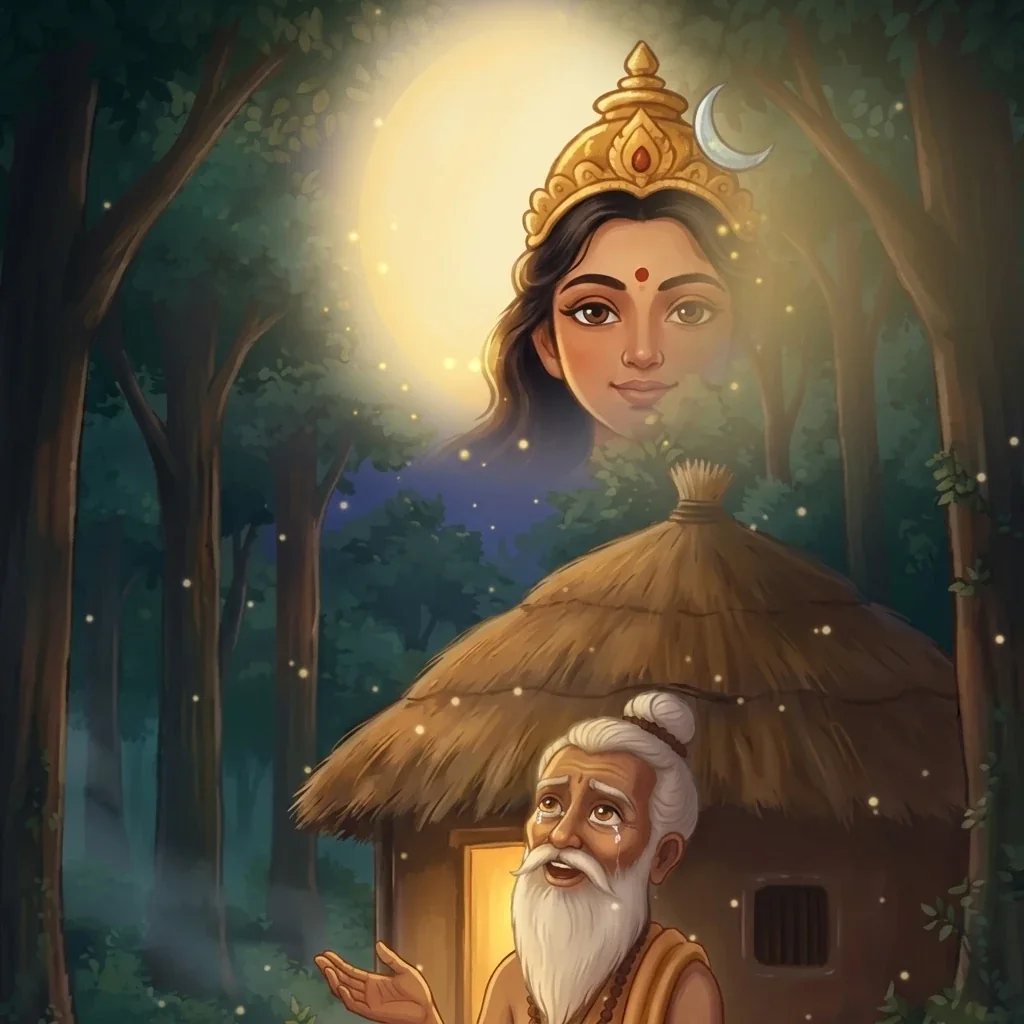
Navratri Night 6 — Maa Katyayani
The sixth Devi of Navratri, told so your child learns that a thing need not be costly to be special — what they make with love is the best gift.
 Faith
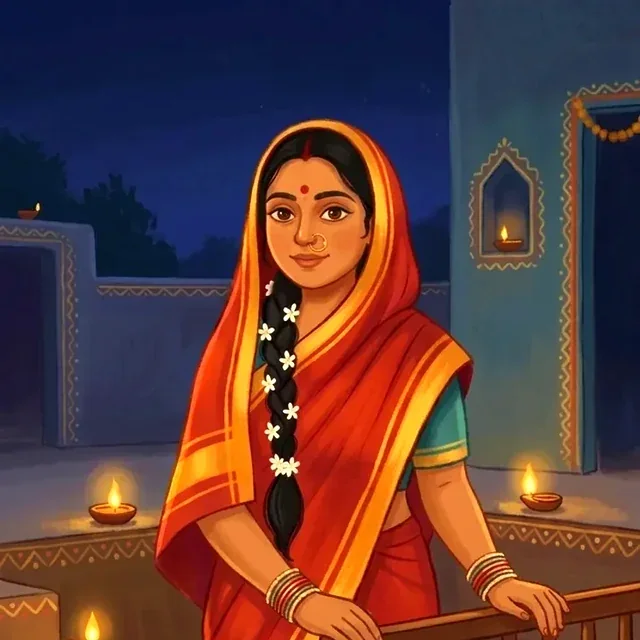
Janmashtami: Aadhi Raat Krishna Ka Janm
The Janmashtami story, told so your child feels how faith and hope carry you through the darkest night.