The Hare in the Moon — Chand par Khargosh ki kahani, for kids in Hindi
A Jataka story that teaches your child that giving is about the heart, not the size of the gift.
चाँद पर खरगोश — पूर्णिमा की रात नन्हे खरगोश की कहानी

Hear Naani tell it
The story
Here is a story for the child who feels that what they have to give is too small to matter. Next full moon, look closely — there is a hare sitting in the moon, and this is how it got there. In a forest beside a sweet-water river lives a small white khargosh with very long ears. His best friends are a monkey and an elephant, and tomorrow night is purnima, the full moon. The forest has one lovely rule for that night: if a hungry guest arrives, you must share your food.
Naani saysऔर उस जंगल की एक प्यारी रीत थी: पूर्णिमा की रात अगर कोई भूखा मेहमान आ जाए, तो उसे अपना खाना ज़रूर खिलाओ।And that forest had a lovely custom: if a hungry guest arrives on the full-moon night, you must share your food.
In the morning the friends get ready. The monkey collects ripe mangoes; the elephant brings sweet sugarcane. And the hare? All he has is green grass — and only rabbits eat grass. Naani asks your child here: does a guest ever eat grass, haan ya na? The hare's ears droop. But he looks up at the rising moon and makes up his mind: I will give something too. What, he has no idea.
Naani saysऔर तब उसने पक्के मन से कहा — मैं भी कुछ ज़रूर दूँगा!And then he said, with a firm heart — I will give something too!
The story in pictures
Frames from Naani’s telling, in story order — the pictures your child sees while she speaks.
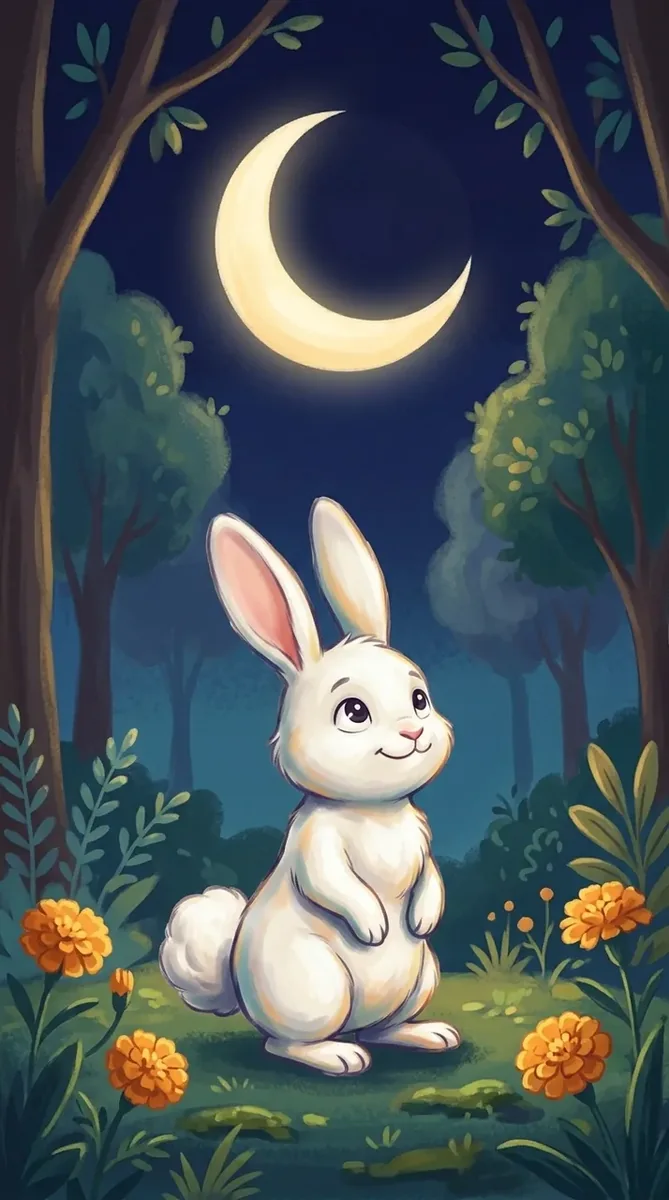


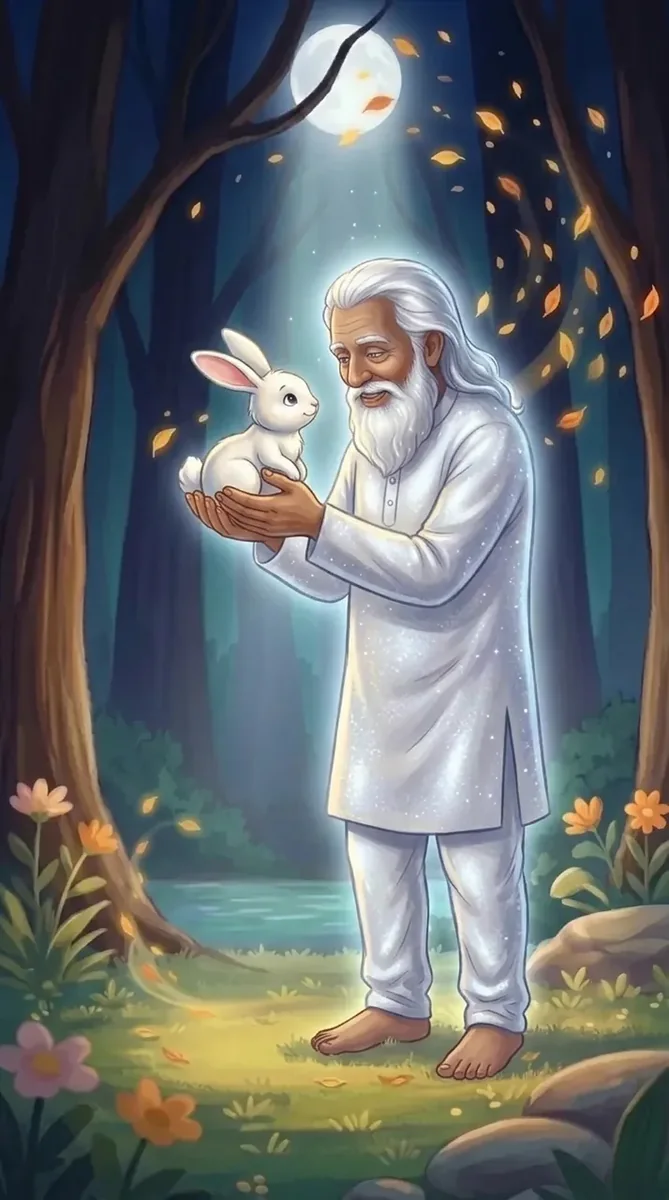
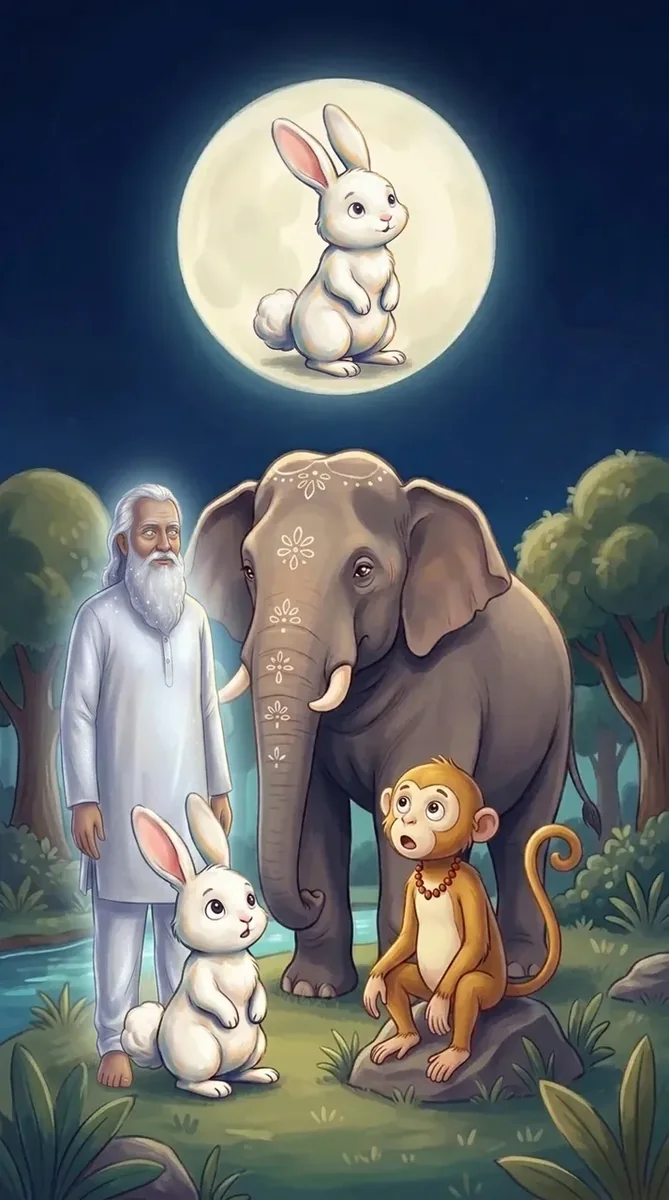
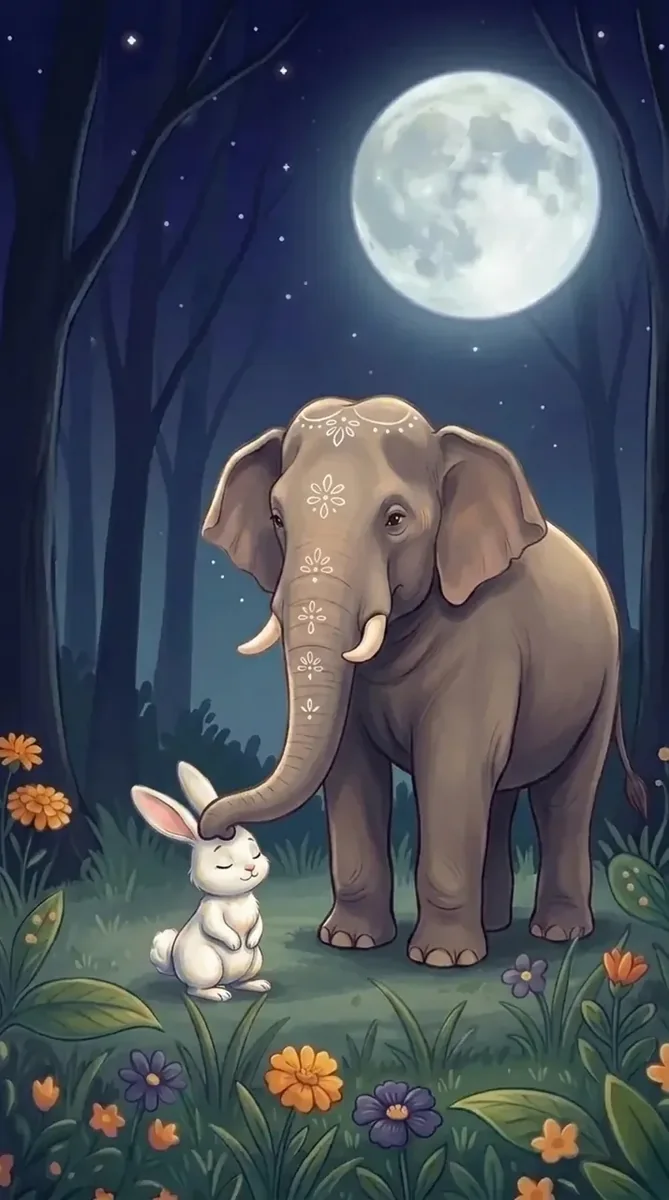
Purnima comes. The three sit under the big tree with their food and a small fire, and then — footsteps on dry leaves. Out of the trees comes an old baba with a long white beard and a tired face. Children, he says, I have come far and I am hungry. The monkey brings his mangoes at once; the elephant lays down his sugarcane. The baba smiles a little and turns to the hare. And you, little one?
Naani saysखरगोश के पास… बस घास थी। उसका छोटा सा दिल धक-धक करने लगा।The hare had… only grass. His small heart began to thump.
The hare looks at his grass, then at the guest, and stands up straight. Baba, you cannot eat my grass, but I have one more thing — myself. Tonight I will be your meal. Before his friends can move, he leaps towards the fire. Here Naani slows down and tells your child not to worry: the moment his small paws reach the flames, the fire turns cold — cold as flowers wet with dew. Not a single hair is singed.
Naani saysपर मेरे पास एक चीज़ और है — मैं खुद। आज मैं ही आपका खाना बनूँगा।But I have one more thing — myself. Tonight I will be your meal.
The baba lifts the hare in his palms, and his face begins to shine like moonlight. I am the old keeper of the moon, he says. I came to find the biggest heart in the forest, and I was never hungry at all. Then he draws on the full moon with a moonlit finger until a small hare appears there. Now whoever looks at the moon will remember you, he says, and melts away into the light. The hare lies down on his bed of grass — now the most precious thing in the world — while the hare in the moon looks down as if to say: sleep now, little one. I am right here.
The value this story teaches
Small children often feel they have nothing worth giving: their drawings are scribbles, their coins are few, their toys are small. Generosity, for them, has to be separated from price early, or it becomes something only grown-ups do.
The hare has only grass, and he knows a guest will not eat grass. The monkey's mangoes and the elephant's sugarcane look so much better. But when the tired old baba turns to him, the hare offers the only thing he has — himself — and the fire turns cold, because the baba was never hungry; he came looking for the biggest heart. The hare's likeness goes onto the moon so that nobody forgets. Your child learns that the smallest giver can have the biggest heart, and gets a moon to check it by.
How to talk about it at bedtime
- Ask your child: the monkey had mangoes and the elephant had sugarcane. Why did the baba choose the hare?
- Try: on the next full moon, go outside together and find the hare. Ask what small thing your child would give a tired traveller.
- Ask: is there something small of yours you could share tomorrow with someone who would like it?
When to pick this story
- On a full-moon night, with the window open
- When your child feels their gift or drawing is 'not good enough'
- After a day when sharing was hard
Try asking your child
After the story, or the next morning on the way to school:
- What did the monkey bring, what did the elephant bring, and what did the hare have? Why was the hare sad about it?
- Who was the old baba really? Why did the fire turn cold?
- What small thing of yours could you happily share with someone — even if it isn't big or expensive?
Meet the characters
Small, white and long-eared, with only grass to offer and the biggest heart in the forest.
One of the hare's two best friends; brings ripe mangoes for the full-moon guest.
The hare's other best friend; carries sweet sugarcane from the river and comforts the hare at the end.
Arrives as a tired, hungry traveller and turns out to have come looking for the biggest heart.
From the app-store reviews
Two of the public reviews parents have left on Google Play and the App Store, quoted exactly as they wrote them.
“Great stories and really interactive. My kid love it”
“an intellectual way to describe the old stories for kids .”
Give your child a story with a value every night
Naani tells Chand par Khargosh in warm Hindi, shows the pictures, asks a question halfway and listens to your child's answer. One story, one seekh, then good night.
Listen tonight — free- Free stories every night
- No ads
- Your child’s voice erased after 24 hours
- Made in India
About this story
- Language: Hindi — simple, in a grandmother’s voice
- Ages: 4–7
- Listen time: about 13 minutes
- Value: Kindness & empathy, Sharing, Courage
- World: Panchatantra & Jataka
- Theme: Generosity is measured by sincerity, not by price.
Also plays in the browser: app.naani.live/stream/the-hare-in-the-moon (sign-in required).
Parents also ask
Is the Hare in the Moon story suitable for a 3- or 4-year-old?
Yes — it is one of Naani's gentlest stories, pitched for the youngest listeners. The one tense moment, the hare jumping towards the fire, is handled by Naani telling the child directly not to worry before the flames turn cold, and the story closes with the hare asleep under the moon. It runs about nine minutes.
Is it true there is a rabbit in the moon?
Many cultures see one in the dark patches of the full moon — India, China, Japan and Mexico all have a moon-rabbit. The Indian story is the Sasa Jataka, in which the Buddha, born as a hare, offers himself to a hungry traveller who turns out to be the god Sakka and draws the hare's likeness on the moon.
What is the Hindi name of this story?
Chand par Khargosh — Naani's spoken title is चाँद पर खरगोश. It is also found as Chandrama ka Khargosh or, in the Jataka, Sasa Jataka. Khargosh means hare or rabbit; purnima is the full-moon night on which the whole story takes place.
Next story
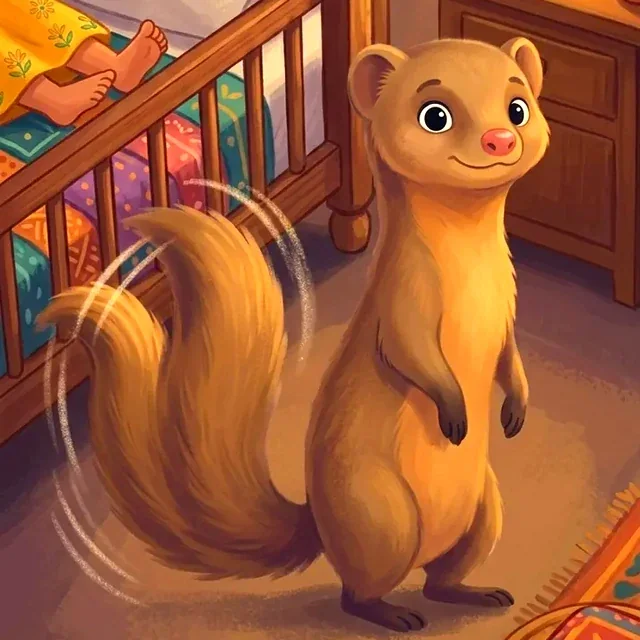
Wafadaar Nevla
A Panchatantra story that teaches your child — and you — to look before you shout.
More Panchatantra & Jataka
All Panchatantra & Jataka →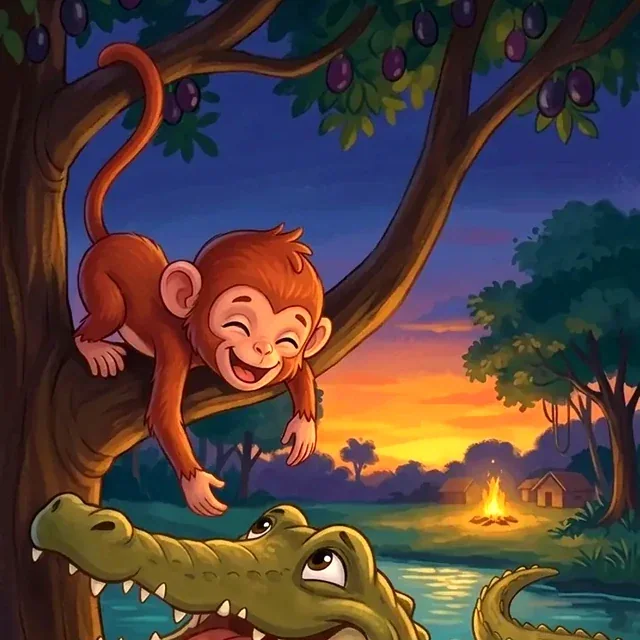 Courage
Chintu aur Magarmachh
A Panchatantra story that shows your child what to do with fear: breathe once, then think.
 Honesty
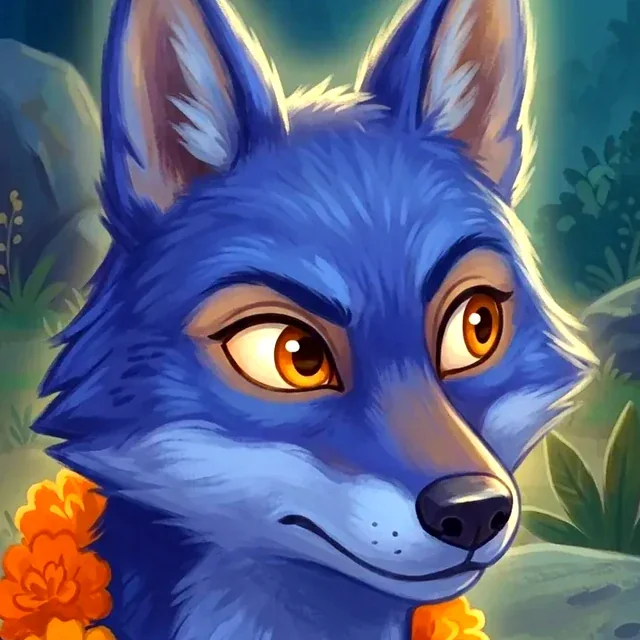
Neela Siyaar
A Panchatantra story that makes telling the truth feel like relief, not punishment.
 Wisdom
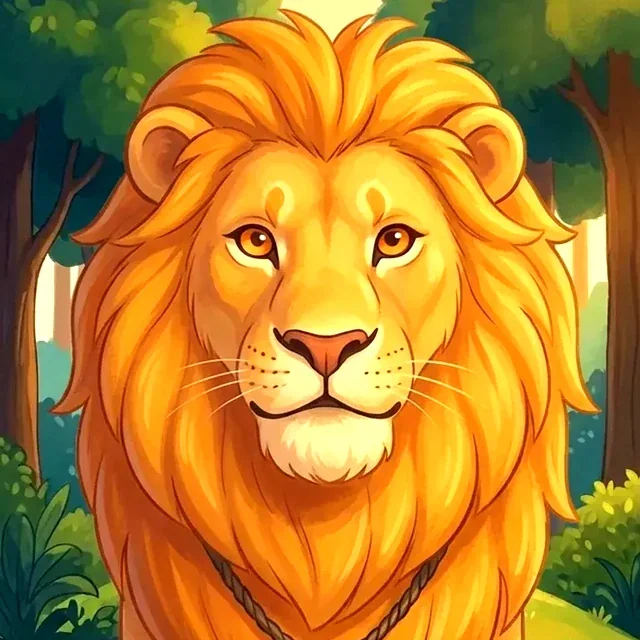
Sher aur Chalaak Khargosh
A Panchatantra story that shows your child how a calm, thinking mind beats a loud, strong one.
More stories that teach kindness & empathy
Noticing how someone else feels, and doing something about it.
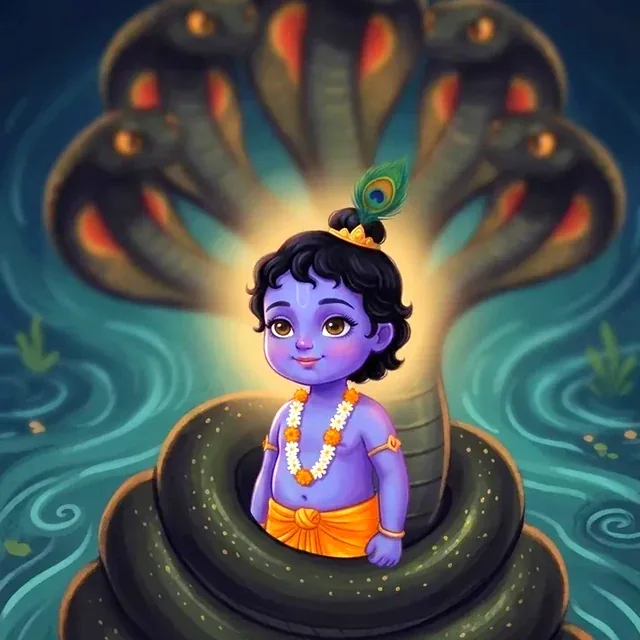 Kindness
Krishna aur Kaliya Naag
A Krishna story about using strength to protect others, and forgiving the one who did wrong.
 Kindness
Krishna aur Phalwali
A Krishna story that shows how a small thing given with love comes back many times bigger.
 Kindness
Dayalu Raja Hiran
A Jataka story that shows your child what it looks like to stand up for someone smaller — and what it does to the people watching.